A New Town, New Boxes, and First Impressions
Neighbors, Secrets, and the Spark of Friendship
Green Eyes, Hidden Powers, and Growing Tension
Apologies, Car Washes, and the Battle for Trust
Gardens, Grudges, and the Price of Loyalty
Swimming, Ultimatums, and the Looming Threat

Transcript
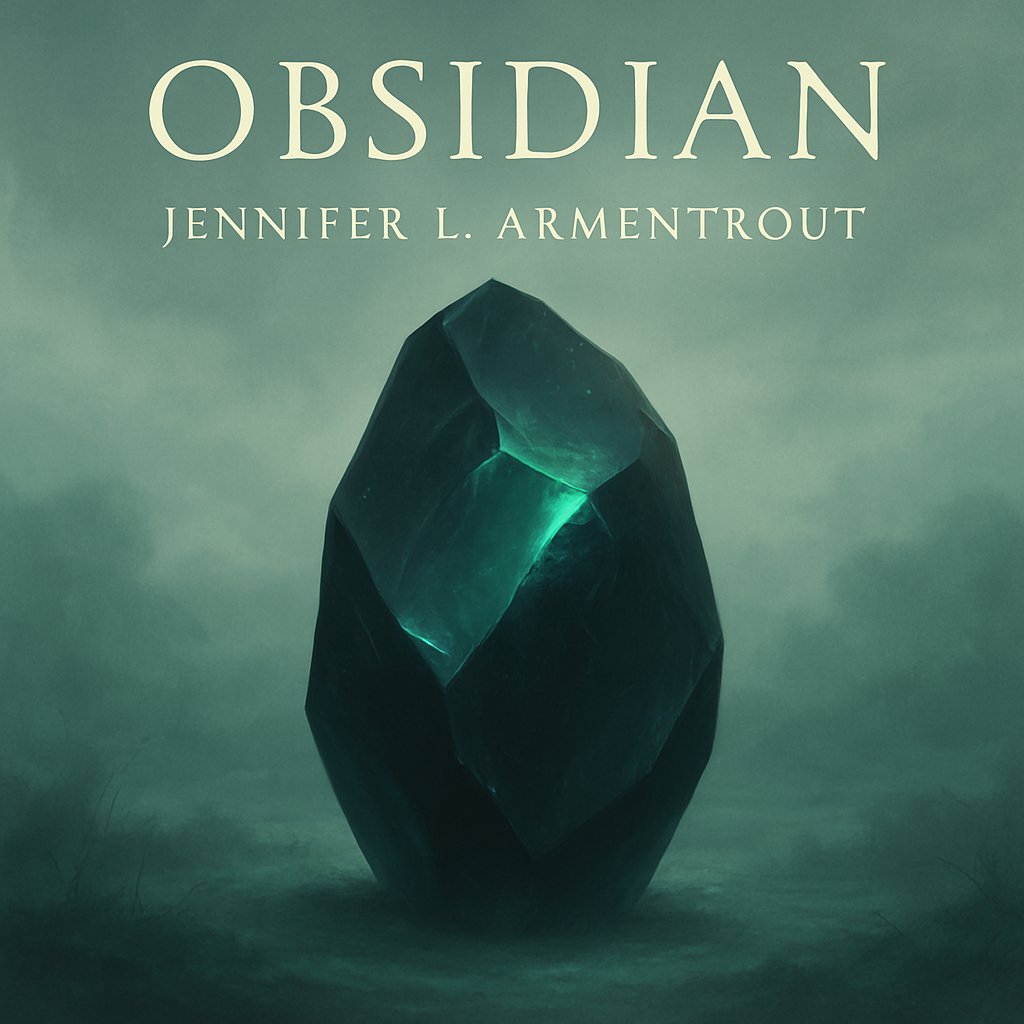
Evie wakes in Luc's apartment wearing his shirt, disoriented and struggling to process the previous night's attack. The Luxen who tried to kill her wasn't hunting randomly. He was targeting her specifically, which means someone knows exactly who and where she is. We saw earlier that survival in this world always extracts permanent costs, and Evie's awakening confirms that principle brutally. She can no longer pretend to be a normal girl living a normal life. Luc reveals she's an Origin, a human mutated by Luxen DNA, which makes her both incredibly powerful and incredibly valuable to groups who would exploit or destroy her. The author structures these revelations carefully, layering information about the factions at war around Evie. Some Luxen seek peaceful coexistence with humans. Others view humans as inferior and expendable, worthy only of elimination or subjugation. Then there's Daedalus, the organization that experimented on Evie as a child, exposing her to alien DNA and erasing her memories when the results became too dangerous. Luc explains that unregistered Origins like Evie exist outside government control, making them vulnerable targets and existential threats to the established order. Her abilities are still developing, and without training they could become lethal to herself and everyone around her. The relationship between Evie and Luc intensifies throughout these moments, creating a volatile mix of attraction, frustration, and power imbalance. Luc oscillates between protective and possessive, making decisions about her safety without consulting her while showing genuine concern for her survival. Evie bristles at his controlling behavior, demanding answers and insisting on autonomy despite the very real dangers closing in. The sexual tension simmers constantly beneath their interactions, complicated by the fact that Luc knows everything about their shared past while Evie remembers nothing. Her body responds to him with inexplicable familiarity, as if some part of her remembers what her conscious mind has forgotten. Luc reveals they had a significant relationship before her memories were taken, though he remains cautious about overwhelming her with too much truth too quickly. Domestic moments, like Luc making breakfast in his unexpectedly sophisticated apartment, reveal sides of his character that deepen their connection beyond the crisis. But Evie experiences fragmented flashes that don't align with what she's been told about her history. This creates profound cognitive dissonance as she realizes her entire life has been built on lies and manipulation. Luc watches her carefully during these moments of confusion, and his reactions make clear he knows far more than he's revealing. By the end, Evie makes a tentative decision to trust him and learn to control her abilities. But she refuses to be a passive participant, remaining determined to reclaim both her memories and her agency while struggling to reconcile who she believes herself to be with who she apparently was. The author's central argument here is that knowledge itself becomes a weapon when one person controls the narrative of another's identity. Luc doesn't just withhold information to protect Evie. He parcels it out strategically, maintaining power over her self-understanding while positioning himself as her only reliable source of truth. This creates a dependency far more insidious than physical protection. Evie can't verify his claims about her past because her memories were surgically removed by Daedalus. She experiences flashes of familiarity with Luc, moments where her body responds to him with inexplicable recognition, but she can't distinguish genuine memory from manufactured feeling. The author frames this as psychological captivity disguised as care. Yet Evie refuses to accept passive victimhood despite her informational disadvantage. She confronts Luc repeatedly about his secrecy, demanding answers and insisting on autonomy even when the dangers surrounding her are undeniably real. Her resistance matters because it establishes agency within constraint, showing that even when someone controls your past, they don't automatically control your present choices. The domestic moments between them complicate this power dynamic further. When Luc makes breakfast in his unexpectedly sophisticated apartment, he reveals vulnerability and care that don't align with pure manipulation. These glimpses suggest their relationship might contain genuine connection beneath the control, though the author leaves that tension unresolved. By the end, Evie makes a calculated decision to trust Luc temporarily and learn to control her developing abilities. But she explicitly refuses to surrender her determination to reclaim both her memories and her agency. The author presents this as strategic compromise rather than capitulation, showing that survival sometimes requires accepting help from people who hold power over you while never stopping your fight to reclaim equal footing.