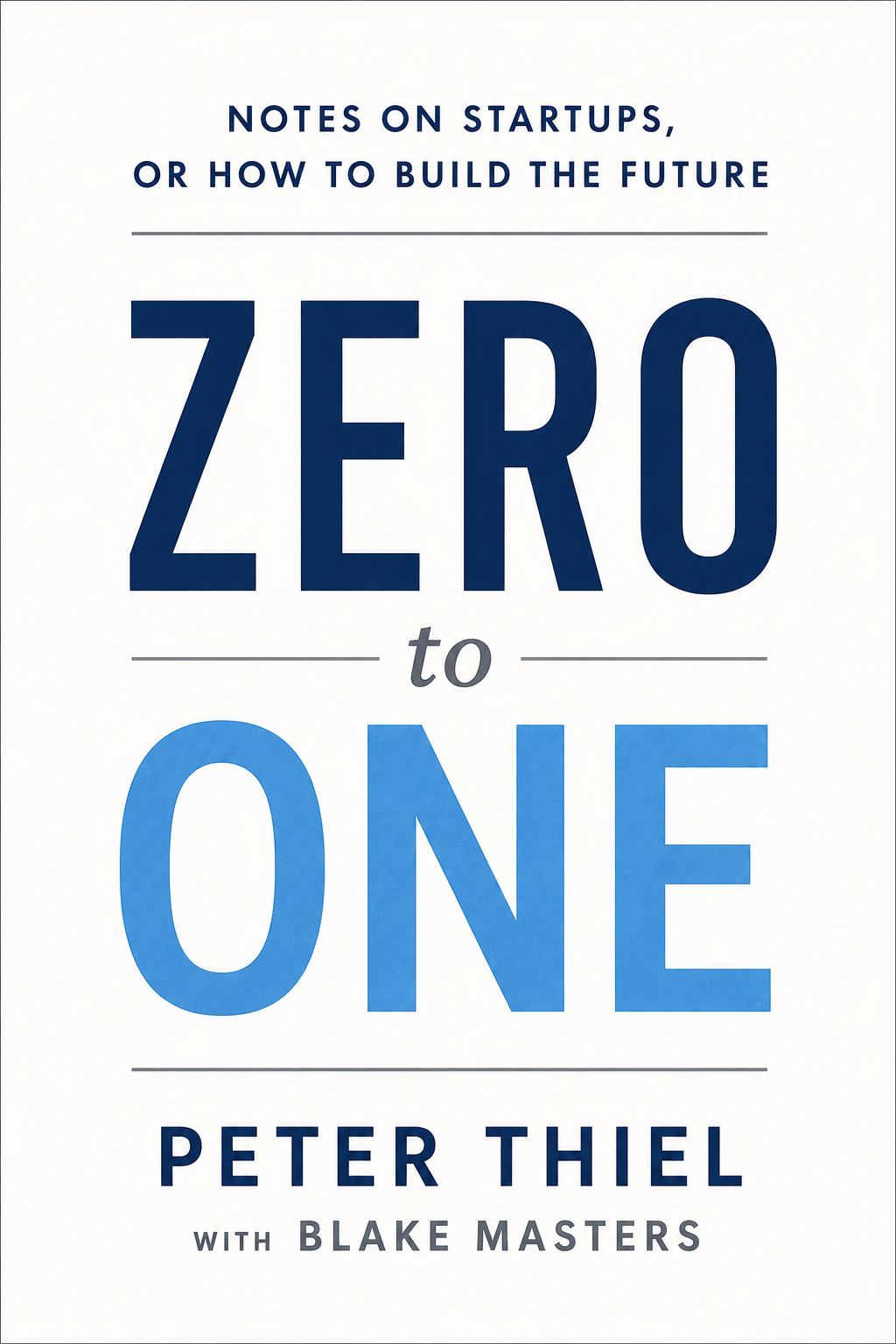
24 min • 1 lectures
This course examines the principles of startup success through the lens of Peter Thiel’s philosophy. It distinguishes between horizontal progress—copying what already works—and vertical progress, which involves creating something entirely new. You will learn why true innovation moves from zero to one, rather than simply expanding from one to n. The material explores the contrarian question and the pursuit of secrets that remain hidden from the crowd. By focusing on creative monopoly rather than perfect competition, entrepreneurs can build businesses that provide unique value. Key topics include lessons from the dot-com crash and the difference between definite and indefinite optimism in long-term strategic planning. The curriculum also covers the mechanics of scaling a business and ensuring its longevity. It outlines the four characteristics of a successful monopoly: proprietary technology, network effects, economies of scale, and branding. You will analyze the power law in venture capital, where a small number of companies produce the majority of returns, and understand the importance of building a solid foundation from the start. The course addresses essential areas such as sales and distribution, the collaborative relationship between humans and machines, and the specific failures observed in the clean-tech sector. Finally, it examines the unique role of the founder in driving transformative progress and preventing economic stagnation.

