1 min • 1 lectures
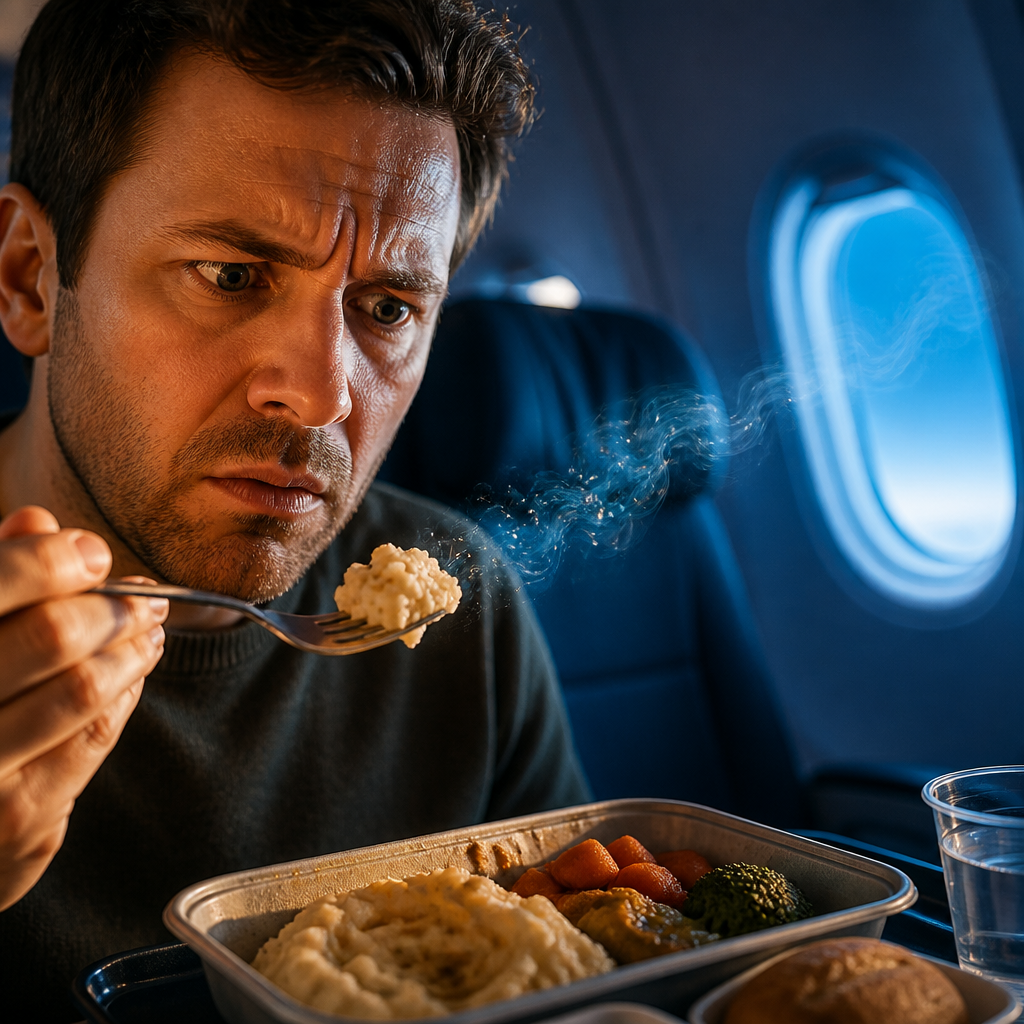
Airplane meals are best understood as industrial logistics products rather than traditional restaurant dishes. Ground-based caterers typically prepare these meals between 10 and 72 hours before a flight departs. The food is chilled or frozen for transport and then loaded onto the aircraft. Because safety regulations prohibit open flames and most microwave technology, flight attendants must use convection or steam ovens to reheat the food in bulk. These heating methods often dry out proteins and alter textures, creating a fundamental gap between the initial preparation and the final service. The limitations of the galley equipment dictate the menu more than culinary trends do. The cabin environment further impacts the dining experience by altering human physiology. Low humidity levels and high altitude pressure significantly dull the senses, reducing the perceived intensity of sweet and salty flavors by roughly 15 to 30 percent. Constant background noise from the engines also interferes with how the brain perceives taste, making food seem blander than it would be on the ground. Consequently, airline recipes must rely on umami-rich ingredients such as tomatoes, mushrooms, and aged cheeses, which maintain their flavor profile despite the pressurized environment. This explains why items like tomato juice and heavily spiced curries are frequently served, as they are among the few foods capable of overcoming the sensory challenges of air travel.

