The Shot That Changed Media
The Psychology of the Party
Oral History and the Hip-Hop Archive
The Double-Edged Sword: Dealing With Controversy
The Creator Playbook: Lessons in Authenticity
Beyond the Airhorn: The Future of Media

Transcript
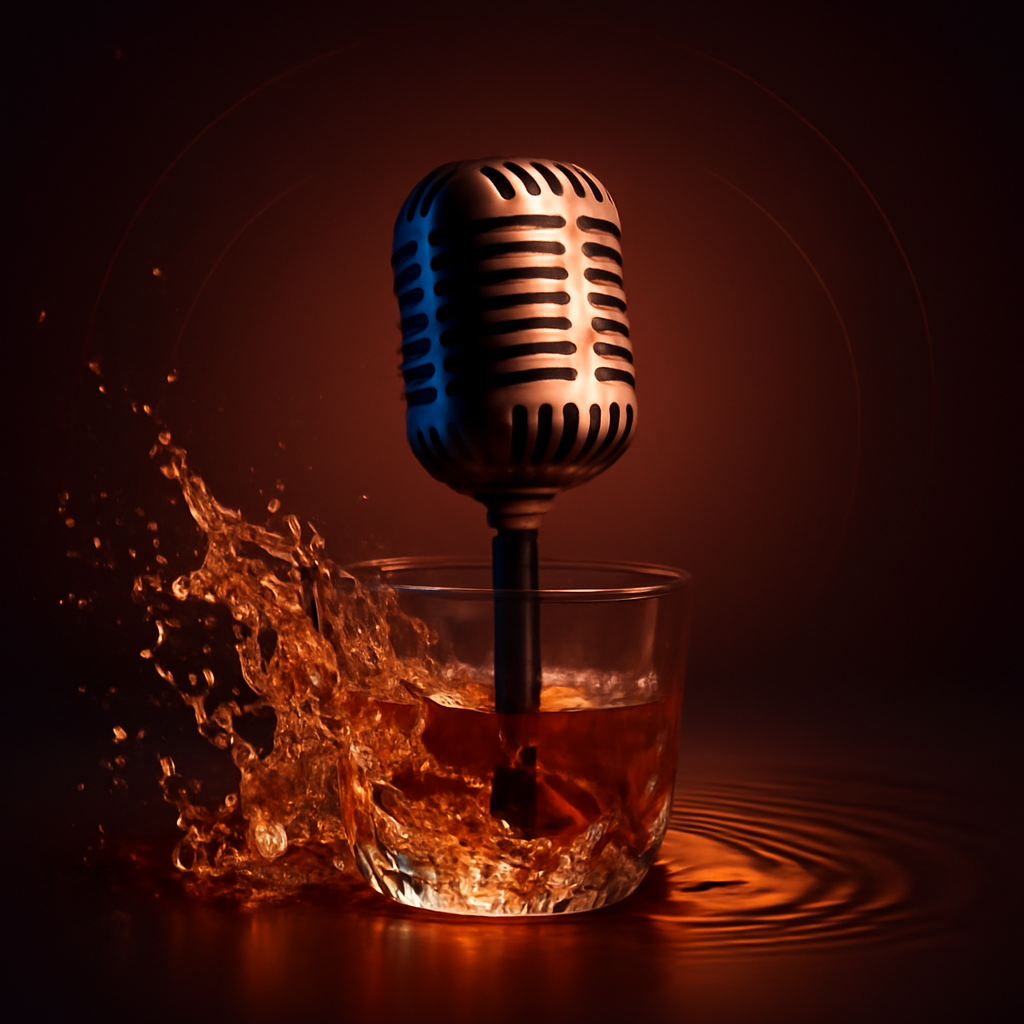
SPEAKER_1: Alright, so last time we landed on this idea that Drink Champs replaced journalistic distance with peer-to-peer celebration. The 'giving flowers' philosophy is what makes guests open up. Now I want to get into the mechanics of that—because the room itself is doing a lot of work. SPEAKER_2: It really is. And the key idea here is that the environment isn't decoration. It's the interview. Every element—the drinks, the energy, the laughter—is actively changing how guests process the situation they're in. SPEAKER_1: So walk me through the specific pieces. What's actually in that room? SPEAKER_2: Start with the drinks. That drinking setup is part of the show’s informal, alcohol-centered conversation. It's not just a running joke or a prop. It functions as a ritual object. When a guest picks it up, they're not answering questions anymore—they're participating in a shared occasion. That shift in framing is enormous. SPEAKER_1: Mm-hmm. And then there's the airhorn. SPEAKER_2: Right—the airhorn is a pacing device. It punctuates moments of emphasis, big revelations, or when someone says something that lands hard. Think of it like a crowd reacting at a live show. It tells the guest: that thing you just said mattered. It rewards candor in real time. SPEAKER_1: So the airhorn is actually doing editorial work without anyone picking up a pen. SPEAKER_2: Exactly. It signals to the guest which stories are worth developing. And that's the difference between a performative interview and an organic interaction. In a performative interview, the guest is managing their image for a camera. In an organic interaction, they're responding to the room—to laughter, to the airhorn, to N.O.R.E. leaning in because he genuinely recognizes a reference. SPEAKER_1: Wait—but that requires the hosts to actually know the material. You can't fake that recognition. SPEAKER_2: You cannot. And this is where the two-host structure matters. N.O.R.E. brings a rapper's lived perspective. DJ EFN brings a producer and selector's perspective. Together they cover more ground than one host could. When DMX or 50 Cent or Snoop Dogg is in that chair, there's almost no reference that goes unrecognized. SPEAKER_1: So what about the alcohol itself? Because our listener might be wondering—does drinking actually make people more honest, or is that just the mythology of the show? SPEAKER_2: [short pause] This is where the research gets genuinely interesting. A 2024 systematic review and meta-analysis looked at sixteen investigations involving over nine hundred participants and found a small association between alcohol and increased affiliative verbal behavior. Small. Not transformational. SPEAKER_1: So not a truth serum. SPEAKER_2: Not even close. One controlled study found that alcohol consumption itself did not increase the amount of self-disclosure. What did affect disclosure was alcohol expectancy—what people believed was happening. There's a documented case where men who merely believed they and their conversation partner were intoxicated showed increased self-disclosure, even when no alcohol had been consumed. SPEAKER_1: That's wild. The belief does more than the drink. SPEAKER_2: And it cuts the other way too. In the same study, women who believed they were intoxicated actually showed a decrease in self-disclosure. So the effect isn't uniform. The practical lesson for creators is this: don't treat drinking as a guaranteed conversation technology. Design psychological safety through attention, familiarity, humor, and follow-up questions instead. SPEAKER_1: So Drink Champs works not because of the alcohol, but because the alcohol is a symbol of a safe space. And that safe space is what veteran artists actually need. SPEAKER_2: That's the mechanism. For artists who've spent decades being cross-examined, misquoted, or reduced to a controversy—walking into a room where the hosts are peers, where the vibe is celebratory, where no one is trying to catch them in something—that's genuinely rare. The chaos of the room is actually protective. SPEAKER_1: Right—but chaos also introduces risk. If someone's discussing old conflicts or personal trauma while drinking, that can go sideways. SPEAKER_2: [inhale] Absolutely. Informality creates real exposure: inaccuracies, privacy issues, unresolved conflict surfacing on camera. Responsible creators need to plan for consent and editorial review. The show's rawness is part of its power, but it's also where things have gotten complicated—and we'll get into specific examples of that later in this course. SPEAKER_1: One more thing worth noting—the format has moved beyond the studio. N.O.R.E. and DJ EFN brought the Drink Champs setup to ComplexCon in 2024, doing a live conversation with Snoop Dogg and Dr. Dre. So the atmosphere is portable. SPEAKER_2: Which proves the point. The room isn't a physical location—it's a set of conditions. And the takeaway for anyone building their own interview format is that those conditions can be recreated without copying the alcohol premise. A recurring welcome ritual, a shared object, a symbolic toast—anything that signals belonging and shifts the guest from subject to participant. That's the real architecture of Drink Champs.