
Transcript
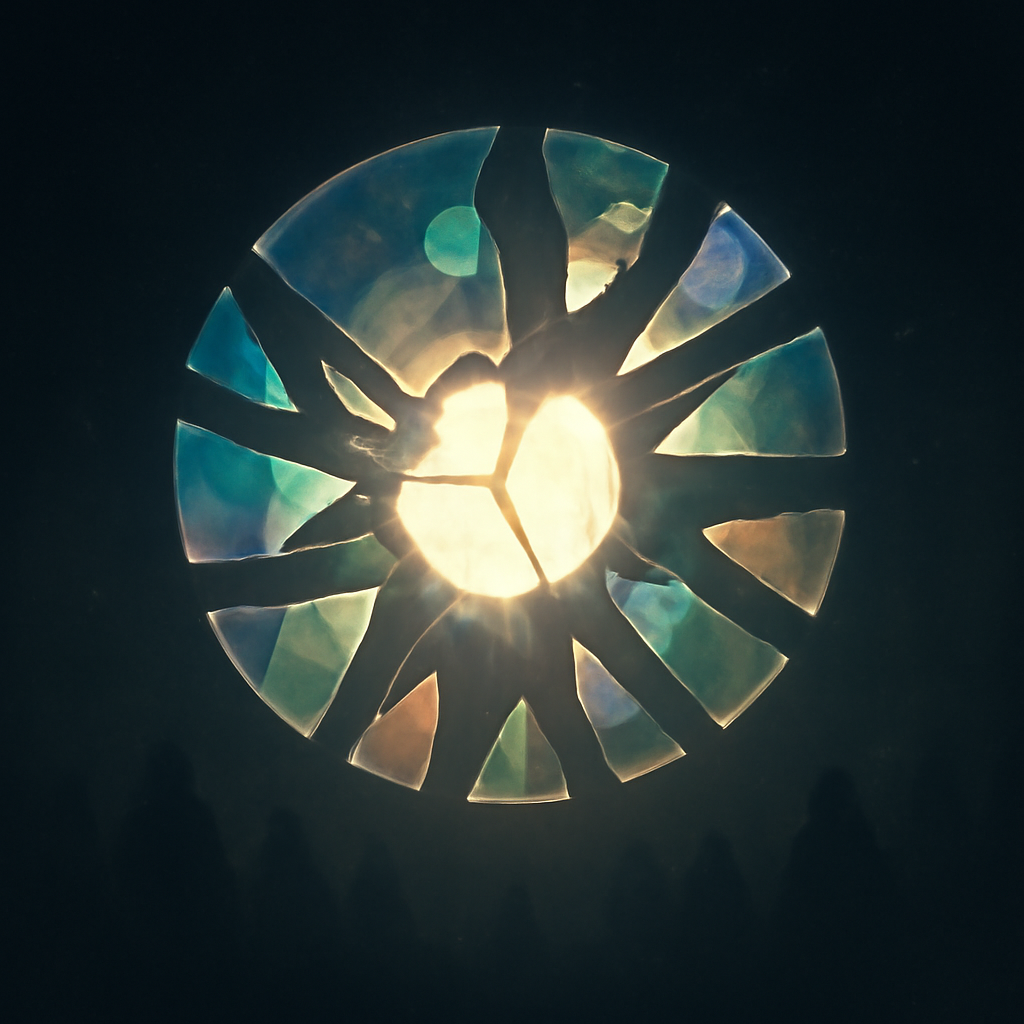
SPEAKER_1: So let's actually place ourselves at the scene. What can we say about Yolen — about the Shattering itself — without reaching past what's confirmed? SPEAKER_2: That's the right instinct, because the temptation is to fill in the gaps with a clean story. Rebellion against a tyrant god. Heroic founders. But the dossier is sparse, and the full history is still coming — Brandon Sanderson has said the Dragonsteel trilogy will address it properly. So what we actually have is more like fragments and later testimony. SPEAKER_1: Suppose you're trying to reconstruct the founding of some world-spanning order, but the only sources you have are later officeholders and people who were hostile to the whole enterprise. That's the epistemic problem here. You can infer. You can't confirm everything. SPEAKER_2: Exactly. And what makes it stranger is that the founders themselves became the institutions. They didn't just kill a god and walk away. They picked up the pieces. SPEAKER_1: Right. So what's actually in the dossier? SPEAKER_2: Yolen. That's confirmed. The group included the sixteen people who would become the original Shard Vessels, plus at least a few others who were present but didn't take up power. The weapon used was the Dawnshards — we'll get to what those actually are later, but the short version is they no longer exist in their original form after the Shattering. Whatever they were, the act consumed them. SPEAKER_1: And the motives? SPEAKER_2: some wanted the power for themselves. Others believed killing Adonalsium was the only good option left to them. Those are not the same thing, and she doesn't flatten them into one. SPEAKER_1: So the 'heroic rebellion against an evil god' reading — that's not confirmed. SPEAKER_2: Not confirmed. There's one conspirator, Tanavast — who later became the Vessel of Honor — who believed the Shattering was for Adonalsium's own good. That's his belief, not an omniscient verdict. And there's a detail that makes the whole thing even harder to read morally: toward the end of the confrontation, Adonalsium apparently stopped fighting back. Tanavast believed it allowed itself to be shattered. SPEAKER_1: Which could mean it consented. Or that it was already too weakened to resist. Or something else entirely. SPEAKER_2: All of those are live readings. The text doesn't settle it. What it does is give you a founding moment that resists a clean moral frame — which is actually more interesting than a simple tyrannicide story. SPEAKER_1: Think of it like constitutional history. The founders' intentions get contested the moment the institutions start operating. Later Vessels interpret the original act through the lens of the power they're already holding. SPEAKER_2: That's the drift problem, yes. And it starts immediately, because the prism doesn't just break — the pieces start pulling on the people who pick them up. SPEAKER_1: Before we get there — who else was at Yolen that we know about? SPEAKER_2: Two figures who refused Shards are worth naming. Hoid was present, participated in the plan, was offered a Shard, and turned it down. He chose to wander the Cosmere instead. And Frost — a dragon, originally from Yolen — was also there, also refused, and afterward adopted a stance of non-interference, staying on Yolen. SPEAKER_1: Two people who helped make the break possible and then stepped back from the inheritance. SPEAKER_2: Right. And then there are the dragons who did take Shards. Two of them, confirmed: Medelantorius took up Valor, and the dragon who would become Cultivation's Vessel took up that Shard. [short pause] So you have humans, dragons, and at least one figure — Hoid — who defies easy categorization, all standing at the same moment. SPEAKER_1: And the ones who refused — Hoid and Frost — they saw what accepting meant. Not just power. An office that would start thinking through you. SPEAKER_2: That's the thing the dossier keeps pointing toward. The killers didn't just remove a god. They inherited fragments of one — and those fragments had their own gravitational pull. The prism was broken deliberately, but what came out of the break wasn't inert. Each beam had a direction. And the people holding them were about to find out what that meant.