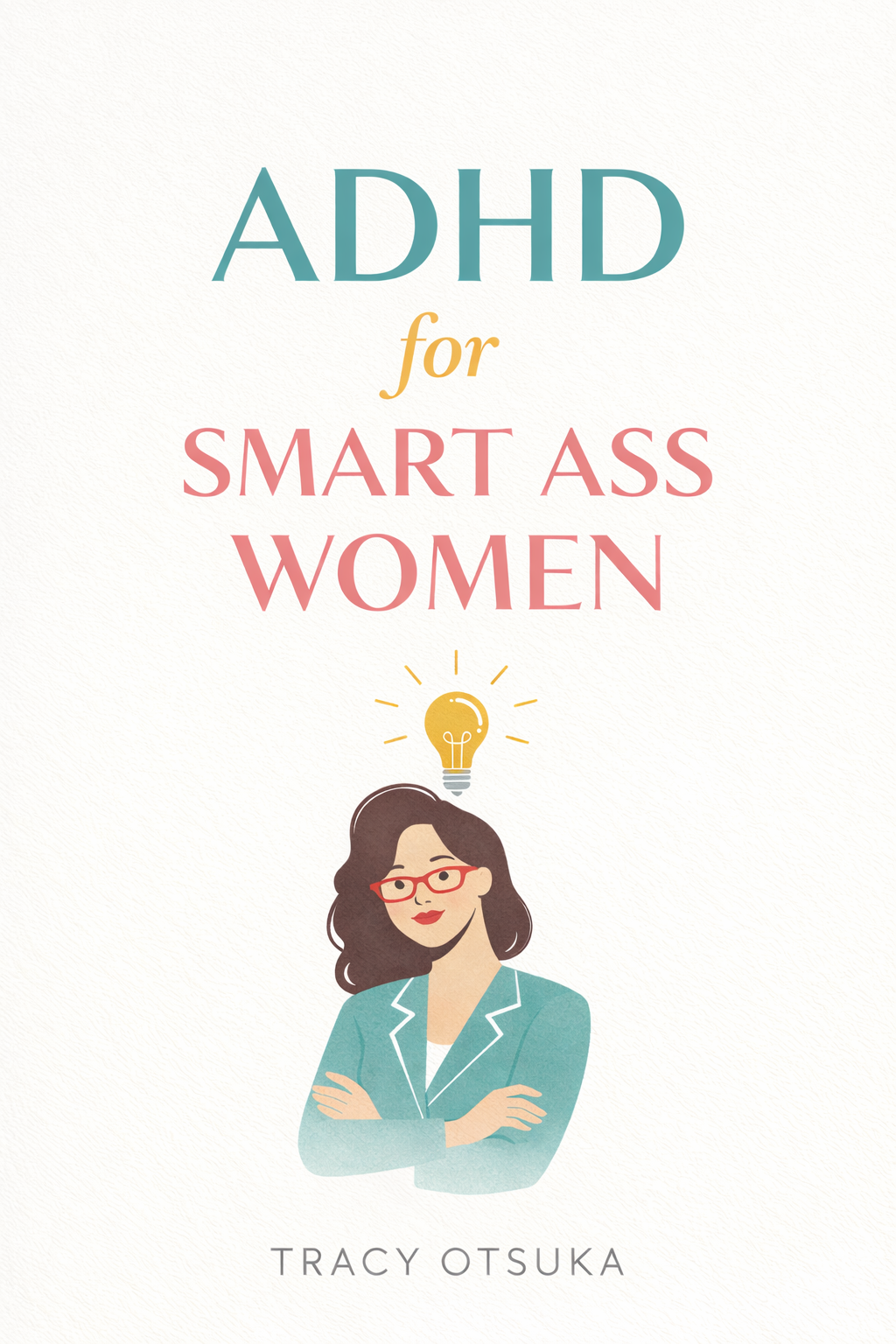
Foundations: Defining ADHD and the Unique Challenges Women Face
Transforming Challenges Into Superpowers
Discovering Purpose and Harnessing Strengths
Navigating Emotions and Overcoming Overthinking
Strategic Relationships, Time, and Money Management
Holistic Wellness: Movement, Nutrition, Sleep, and Learning

Transcript
SPEAKER_1: Alright, last time we talked about finding purpose and harnessing strengths. Now the author shifts to something way more visceral—emotions. And here's my problem: they claim women with ADHD experience emotions with greater intensity. Isn't that just reinforcing stereotypes about women being overly emotional? SPEAKER_2: That's exactly the concern the book anticipates. But they're not making a cultural claim. They're pointing to neurobiological differences. The prefrontal cortex and limbic system function differently in ADHD, creating what the author calls 'big emotions'—intense responses that feel overwhelming and disproportionate. SPEAKER_1: So the argument is that this isn't about personality or socialization? It's brain structure? SPEAKER_2: Correct. And it's compounded by what the author calls accumulated 'little t' trauma. Years of being told they're too much, too sensitive, overreacting. That chronic invalidation creates maladaptive coping mechanisms—emotional suppression, people-pleasing, harsh self-criticism. SPEAKER_1: Wait, trauma from being criticized? That seems like a stretch. Everyone gets criticized. SPEAKER_2: Sure, but the book emphasizes the cumulative effect. When someone hears those messages repeatedly from childhood through adulthood, it shapes their entire relationship with their own emotions. The author introduces rejection sensitive dysphoria—extreme emotional pain triggered by perceived or actual rejection. SPEAKER_1: Okay, but how does the book explain why this happens? What's the mechanism? SPEAKER_2: Emotional impulsivity. Rapid, intense reactions linked to executive function deficits in inhibition and working memory. The ADHD brain struggles to pause between stimulus and response. And hormonal fluctuations—menstrual cycles, pregnancy, postpartum, menopause—amplify everything, creating periods of heightened vulnerability. SPEAKER_1: So for someone reading this, the takeaway is that biology and trauma create a perfect storm. But what's the solution? The author can't just say 'your emotions are valid' and call it a day. SPEAKER_2: They don't. The book introduces the 'window of tolerance'—the optimal arousal zone for effective functioning. When big emotions push women into hyperarousal—anxiety, panic, rage—or hypoarousal—shutdown, dissociation, numbness—their regulatory capacity collapses. SPEAKER_1: That sounds clinical. How does someone actually use that concept? SPEAKER_2: Through specific grounding techniques. The 5-4-3-2-1 sensory method—name five things you see, four you can touch, three you hear, two you smell, one you taste. Bilateral stimulation through butterfly taps. Cold water immersion to activate the dive reflex. These aren't abstract—they're immediate interventions. SPEAKER_1: But those are just coping strategies. What about deeper healing? The author must address that. SPEAKER_2: Absolutely. The book recommends therapeutic modalities particularly effective for ADHD and trauma. EMDR for reprocessing shame-based experiences. Somatic experiencing for releasing trauma stored in the body. Internal Family Systems therapy for addressing internal conflicts and the harsh inner critic. SPEAKER_1: Hold on. The author is saying therapy is necessary? That feels like a big ask for readers who might not have access or resources. SPEAKER_2: Fair point. But they also emphasize self-compassion as critical for emotional regulation. Kristin Neff's framework—self-kindness versus self-judgment, common humanity versus isolation, mindfulness versus over-identification. These are practices anyone can start without professional support. SPEAKER_1: Okay, but here's what I'm stuck on. The author claims healing involves expanding capacity to experience big emotions without becoming overwhelmed. That sounds like accepting you'll always struggle. Isn't that defeatist? SPEAKER_2: It's the opposite. The book reframes the goal. It's not about eliminating emotional intensity—that's part of the ADHD neurotype. It's about building resilience so those emotions don't derail everything. The author stresses this is ongoing work requiring patience, professional support, and understanding that setbacks reflect the process, not personal failure. SPEAKER_1: So the author is saying the goal isn't to fix yourself but to expand your capacity? SPEAKER_2: Exactly. And that shift—from trying to become someone else to building skills that honor who you are—is the core of the book's approach. It's not about conforming to neurotypical standards. It's about creating systems that work with your brain, not against it. SPEAKER_1: Alright, I'll admit the logic holds up. For readers, the takeaway is that emotional intensity isn't a character flaw. It's a neurobiological reality that requires specific strategies and self-compassion. SPEAKER_2: Right. And the author emphasizes that this work is hard. But recognizing the source of these challenges—brain differences, trauma, hormonal fluctuations—removes the shame. It's not about being broken. It's about understanding how your brain works and building the tools to navigate it effectively.