Holistic Wellness: Movement, Nutrition, Sleep, and Learning
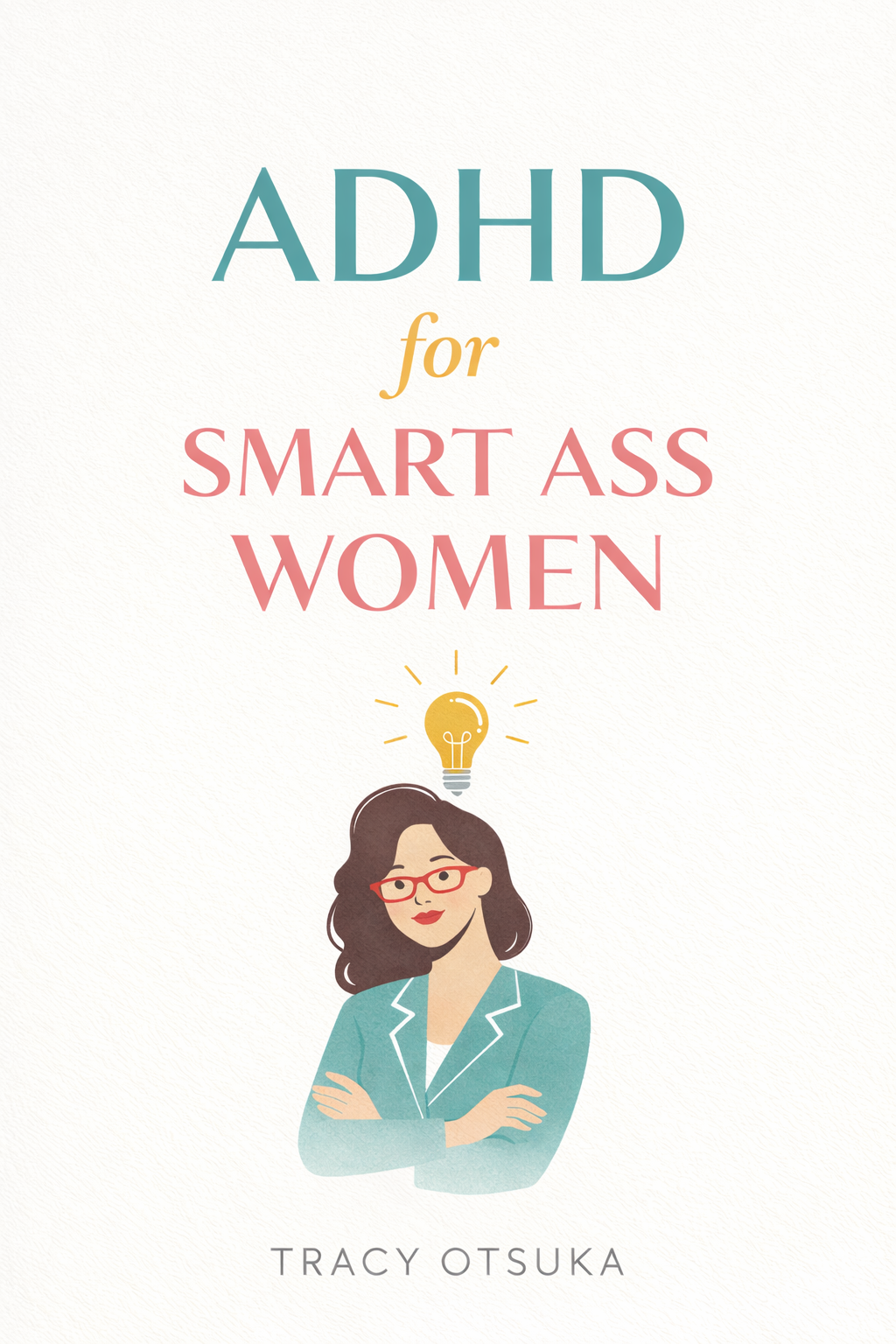
ADHD for Smart Ass Women by Tracy Otsuka
Foundations: Defining ADHD and the Unique Challenges Women Face
Transforming Challenges Into Superpowers
Discovering Purpose and Harnessing Strengths
Navigating Emotions and Overcoming Overthinking
Strategic Relationships, Time, and Money Management
Holistic Wellness: Movement, Nutrition, Sleep, and Learning

Transcript
SPEAKER_1: Alright, last time we covered emotional dysregulation and overthinking. Now the author shifts to relationships and time management. But here's my problem—they claim traditional relationship advice fails women with ADHD. Isn't that just making excuses for bad behavior? SPEAKER_2: That's exactly the resistance the book anticipates. But they're not excusing anything. They're pointing to neurological differences that affect emotional processing, communication, and conflict response. The author argues that advice designed for neurotypical brains simply doesn't work. SPEAKER_1: So what are these neurological differences? The author needs to be specific here. SPEAKER_2: They are. Emotional dysregulation, rejection sensitive dysphoria, impulsivity, time blindness, executive function difficulties. These manifest as interrupting, forgetting important dates, hyperfocusing on new relationships then unintentionally neglecting them, struggling with follow-through. SPEAKER_1: Wait, but those sound like character flaws. How does the book distinguish between neurological differences and just being inconsiderate? SPEAKER_2: That's the core tension the author addresses. They emphasize balancing self-compassion with accountability. These patterns aren't character flaws, but they do require specialized approaches. The book provides practical, ADHD-adapted strategies rather than relying on willpower. SPEAKER_1: Okay, so what's the first strategy? The author must start somewhere concrete. SPEAKER_2: The pause protocol for emotional dysregulation. Communicate the need for a break, set a specific return time, use that interval for regulating activities rather than rumination. It's about creating space without abandoning the conversation. SPEAKER_1: That sounds reasonable. But what about rejection sensitive dysphoria? That seems harder to manage with a simple protocol. SPEAKER_2: Absolutely. The author introduces reality-checking frameworks. Write down exact words spoken, identify the story you're creating, generate alternative interpretations. RSD makes women perceive rejection in neutral interactions, so this combats that tendency. SPEAKER_1: Hold on. The author claims women with ADHD interrupt and struggle with listening. But isn't everyone distracted these days? What makes this different? SPEAKER_2: Working memory overload. The ADHD brain can't hold information long enough to process it while also formulating responses. The book introduces the ADHD listening toolkit—note-taking during conversations, physical cues to reduce interrupting, reflective listening practices. SPEAKER_1: Alright, but here's what I'm stuck on. Time blindness in relationships. The author says lateness stems from neurological differences, but doesn't that just enable chronic lateness without consequences? SPEAKER_2: No, because they emphasize taking responsibility for compensatory strategies. Multiple alarms, visual timers, shared digital calendars. And explicit conversations explaining the neurological basis while committing to systems. It's not about excuses—it's about transparency and effort. SPEAKER_1: What about conflict? The author must address how ADHD affects arguments. SPEAKER_2: They do. Recognizing flooding warning signs—increased heart rate, tunnel vision, urge to say cutting remarks. Using pre-negotiated time-outs with specific scripts. The book also introduces bids for connection—small daily moments when partners reach out—and explains how ADHD symptoms cause women to miss these. SPEAKER_1: So for someone reading this, the pattern is clear. Initial hyperfocus on new relationships, then unintentional neglect. How does the author solve that? SPEAKER_2: Proactive systems. Scheduling friend dates in advance, setting phone reminders for outreach, creating a relationship dashboard tracking last contact with important people. The author emphasizes consistent systems over willpower. SPEAKER_1: Now the author shifts to time management. They introduce time blindness as this fundamental concept. But isn't that just poor planning? SPEAKER_2: No. It's the ADHD brain's inability to accurately perceive elapsed time or estimate task duration. That's why conventional productivity advice fails. The author recommends externalizing time through visual timers, alarms for starting and stopping tasks, time bracketing to build accurate awareness. SPEAKER_1: What about prioritization? The author must address decision paralysis. SPEAKER_2: They simplify it. Three categories—must do today, should do soon, would be nice to do. No complex matrices that paralyze decision-making. And they emphasize building in fifty percent buffer time because ADHD individuals consistently underestimate duration and fail to account for transitions. SPEAKER_1: Alright, I'll admit the logic holds up. For readers, the takeaway is that relationships and time management require ADHD-specific strategies, not just trying harder. SPEAKER_2: Exactly. And the author emphasizes experimentation and customization. Building personalized systems that accommodate rather than fight against ADHD brain wiring. It's not about conforming to neurotypical standards—it's about creating frameworks that actually work.