Cold Open: A Night Wind Over Harpers Ferry
America in 1859: A Nation Already Hearing the Crack
The Making of John Brown: Faith, Failure, and the School of Adversity
From Moral Protest to Armed Resistance
The Plan: Weapons, Mountains, Hostages, and Symbols
The Raid Begins: Efficiency, Confusion, and the First Blood
The Engine House: The Raid Becomes a Siege
The Trial and the Spark: Defeat Becomes Political Fire
Horwitz as Guide: Narrative Nonfiction, Archival Depth, and Moral Control
Reflective Close: What Midnight Rising Leaves Burning

Transcript
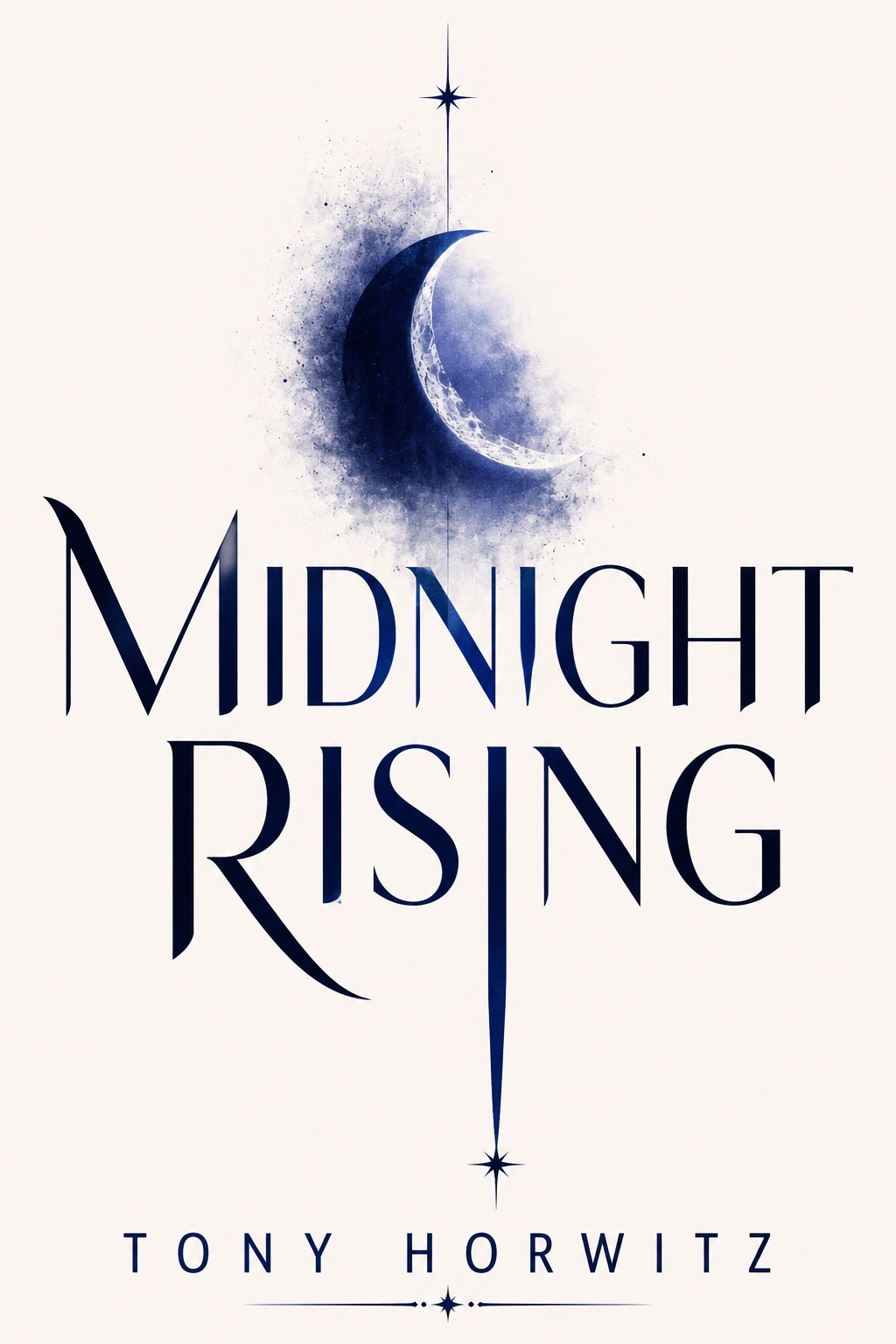
Imagine the dark, rushing waters of the Potomac River under a cold October sky, low wind rustling the riverbank, and the faint, distant rattle of a night train fading into the silence. On October 16, 1859, John Brown led twenty-one men—including three of his own sons, alongside Black and white abolitionists—across that water from Maryland into Virginia, moving silently toward Harpers Ferry. This is the vivid opening scene of Midnight Rising: John Brown and the Raid That Sparked the Civil War by Tony Horwitz, a Pulitzer Prize–winning Wall Street Journal reporter turned historical nonfiction author renowned for his deeply researched explorations of American history. Now, consider the sheer audacity of what those twenty-one men attempted. As Horwitz argues, the raid was not merely the irrational act of a madman, as critics so often claimed, but a calculated and deliberate strike aimed at shaking the foundations of American slavery. Think of the profound paradox at the center of this story: a tiny raiding party steps into a sleepy town, suffers a swift and tragic military defeat, and yet manages to ignite a political earthquake across the entire country. What kind of nation produces a moment like this, where twenty-one men crossing a river in the dark can make civil war feel suddenly inevitable?