Horwitz as Guide: Narrative Nonfiction, Archival Depth, and Moral Control
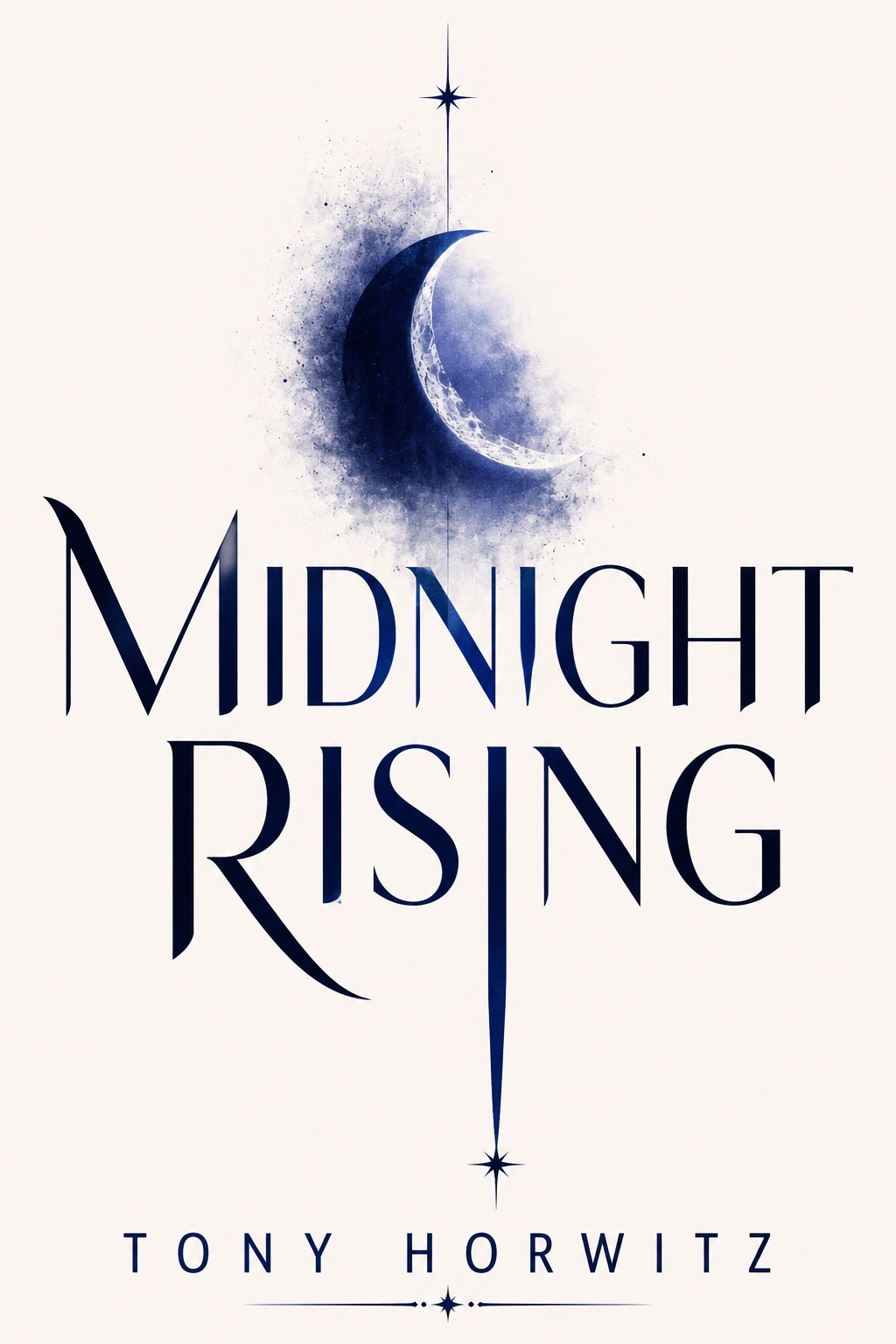
Midnight Rising by Tony Horwitz
Cold Open: A Night Wind Over Harpers Ferry
America in 1859: A Nation Already Hearing the Crack
The Making of John Brown: Faith, Failure, and the School of Adversity
From Moral Protest to Armed Resistance
The Plan: Weapons, Mountains, Hostages, and Symbols
The Raid Begins: Efficiency, Confusion, and the First Blood
The Engine House: The Raid Becomes a Siege
The Trial and the Spark: Defeat Becomes Political Fire
Horwitz as Guide: Narrative Nonfiction, Archival Depth, and Moral Control
Reflective Close: What Midnight Rising Leaves Burning

Transcript
Now, to understand why this history hits with such force, we have to step back from the historical spark and review the hand that arranged the evidence and built the drama. Tony Horwitz did not approach Harpers Ferry as a detached observer. He came to this story as a seasoned newspaper reporter who spent years documenting conflict in the field. As a foreign correspondent for The Wall Street Journal, he covered active wars across Europe, Africa, and the Middle East, an experience that clearly sharpened his instinct for how human beings act under extreme pressure. In 1995, he won the Pulitzer Prize for national reporting for his work on low-wage workers in America, and he later wrote for The New Yorker before devoting himself to deeply researched historical nonfiction, publishing works such as Confederates in the Attic. In Midnight Rising, that investigative discipline is visible in every chapter. Horwitz constructs the narrative with precise, archive-grounded detail and cinematic pacing, dropping the reader directly into the atmospheric tension of October 1859. As Horwitz argues, the raid was not an isolated act of madness, but a calculated strike whose political aftermath reshaped the nation. The author's method is to treat Brown neither as an immaculate martyr nor as a simple fanatic. Instead, Horwitz presents a deeply unsettling portrait of radical conviction operating inside a deeply flawed human being. Think of how Horwitz manages narrative control throughout the book. The strength of his approach is that he joins relentless storytelling pace to archival depth. Horwitz highlights the genuine interracial alliances within Brown's small band, while simultaneously acknowledging the paternalistic tone in Brown's writings, like Sambo's Mistakes, and the severe violence of his actions in Kansas. Horwitz allows these contradictions to exist side by side without forcing a neat resolution. Yet a balanced evaluation of the book also requires noting its narrative tradeoffs. Because the momentum is so intensely focused on Brown’s iron will and the claustrophobic drama of the siege, the wider surrounding landscape can occasionally feel eclipsed by the central figure. For example, the brief, tragic killing of Heyward Shepherd—the free Black baggage handler caught in the initial crossfire—stands as a pointed reminder of the moral ironies embedded in the operation, especially when the widespread local uprising Brown anticipated failed to occur. The takeaway from Horwitz’s portrait is that the book succeeds precisely because it refuses to give the reader easy moral comfort. By pairing Brown’s legitimate hatred of slavery with his tactical disaster at Harpers Ferry, Horwitz obliges us to examine what happens when moral zeal turns toward violence. This leaves us with an unsettling question that moves beyond the mechanics of the siege, opening the door to how a nation remembers conviction, violence, and the cost of moral delay.