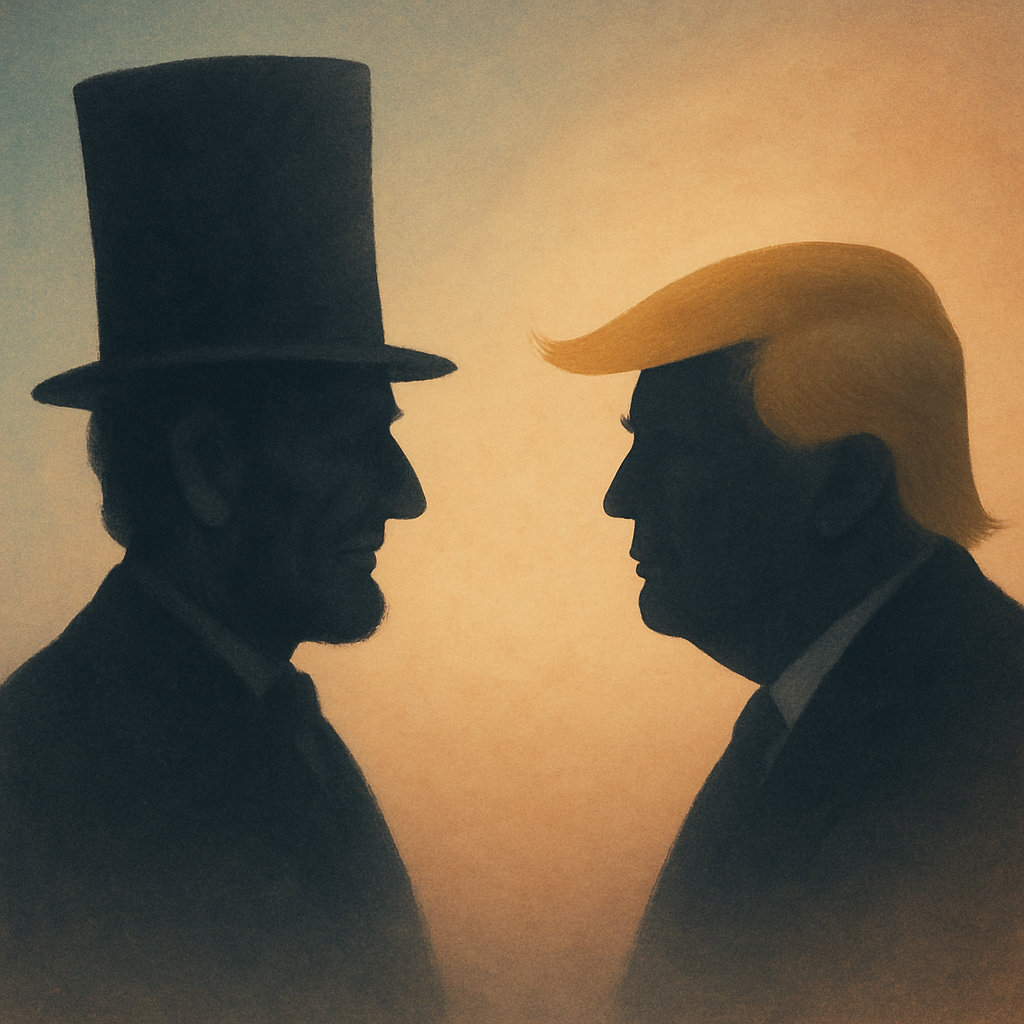
Ruling a Nation: Lincoln and Trump in Dialogue
15 min • 3 lectures
This course examines the philosophical foundations of leadership through a structured dialogue between Abraham Lincoln and Donald Trump. It moves beyond simple imitation to explore the fundamental conflict between power and legitimacy. By applying Aristotle’s concept of the common good and John Locke’s theory of consent, the content contrasts Lincoln’s duty-centered worldview with Trump’s focus on strength and performance. Participants will examine how these opposing views shape the concept of legitimate rule and why a leader must convince a population that authority serves a higher purpose than personal ambition or raw force. The curriculum further analyzes the tension between constitutional law and Machiavellian political strategy. It investigates whether a ruler’s primary obligation is to the legal constraints of a republic or to the pragmatic use of power and appearance. Using Max Weber’s distinction between the ethic of conviction and the ethic of responsibility, the course evaluates how a leader manages public trust while facing the burden of consequences. The material provides a framework for creating credible political dialogue by focusing on vocabulary, cadence, and unresolved philosophical tensions rather than partisan rhetoric. This approach ensures a deep understanding of how voice and worldview define the exercise of national authority.
