Foundations of Influence: Mastery, Secrecy & Reputation
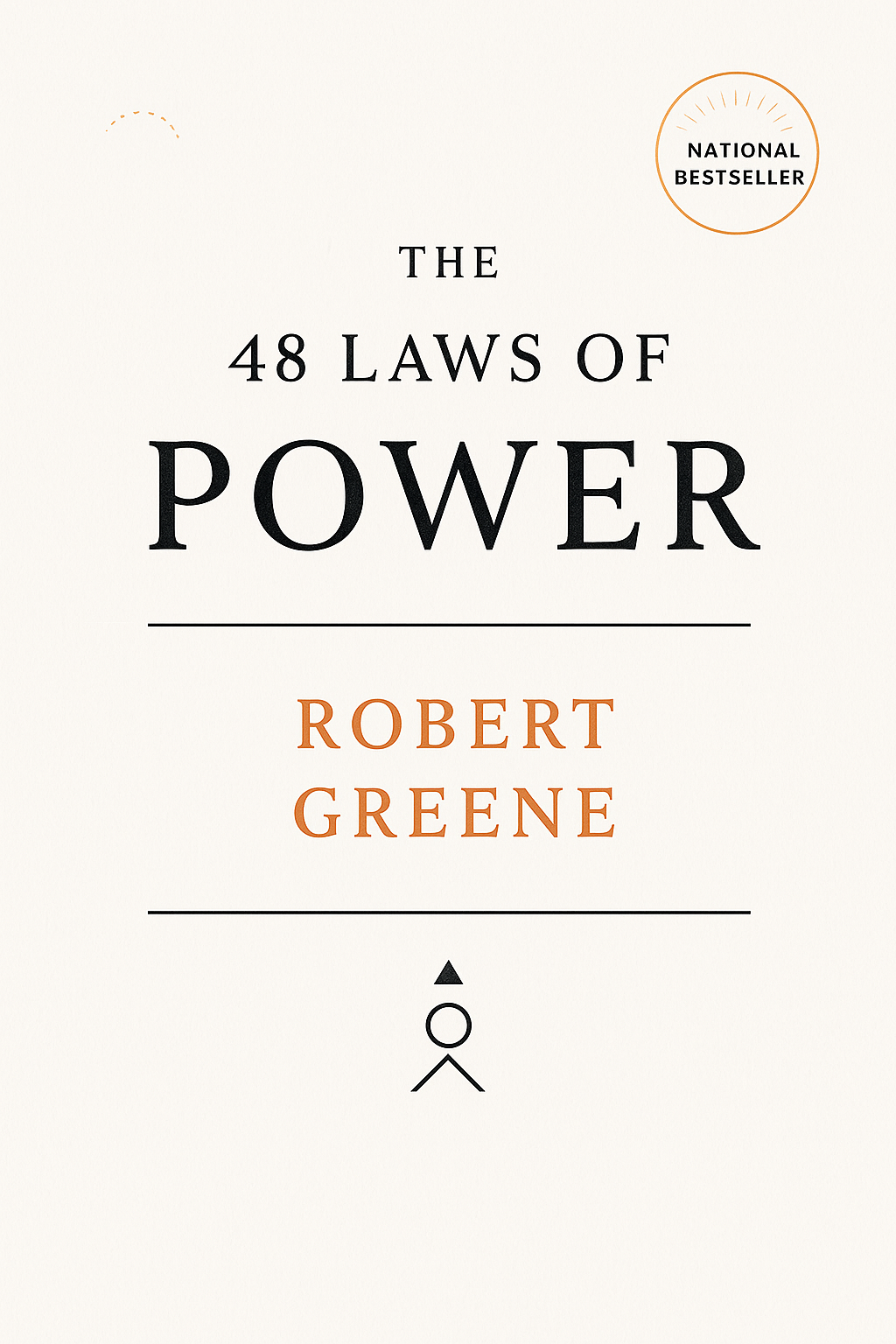
The 48 Laws of Power by Robert Greene
Foundations of Influence: Mastery, Secrecy & Reputation
Strategic Relationships & the Art of Elimination
Adaptability, Deception & the Courtier's Craft
Spectacle, Planning & Psychological Levers
Timing, Manipulation & Controlling the Narrative
Transformation, Flexibility & the Final Mastery

Transcript
Welcome to The 48 Laws of Power by Robert Greene, a book that reveals how influence actually works in every relationship you navigate, from boardrooms to friendships. Most people believe competence and loyalty guarantee success, but what if your greatest talents could trigger your downfall? Greene, the most banned contemporary author in U.S. prisons, spent years distilling history's power dynamics into laws that explain why brilliance sometimes destroys careers while silence builds empires. The first law confronts an uncomfortable truth: those in authority must always feel superior to you, regardless of your actual abilities. Nicolas Fouquet learned this fatally when he hosted a celebration for Louis XIV so magnificent it overshadowed the king himself. Fouquet's lavish estate and dazzling entertainment triggered such deep insecurity in Louis that the finance minister was arrested, imprisoned, and ruined despite years of loyal service. Galileo understood what Fouquet did not. When the astronomer made groundbreaking discoveries, he attributed them entirely to the glory of his Medici patrons rather than his own genius. This strategic humility allowed Galileo to thrive while Fouquet rotted in prison, demonstrating that making your master feel inadequate is an unforgivable sin no matter how innocent your intentions. The second law exposes why friendship becomes toxic when mixed with power: friends knew you before success and harbor hidden entitlement that corrodes professional relationships. Michael III elevated his friend Basilius to co-emperor as an act of generosity, only to be murdered by him when gratitude transformed into resentment. Friends provide flattery instead of honest counsel, expect special treatment regardless of competence, and undermine the formal distance necessary for effective authority. Former enemies make superior allies because they have everything to prove through demonstrated loyalty rather than assumed affection. The Chinese Emperor Sung hired the former enemy general Chao Chung-yin, who worked tirelessly to justify the trust placed in him. This principle establishes that power requires clear hierarchies and proven competence, not emotional bonds that inevitably corrupt both professional effectiveness and personal relationships. The third and fourth laws shift from managing relationships to controlling information itself. Concealing your true intentions provides enormous strategic advantage because others cannot resist what they cannot perceive. Bismarck masterfully hid his revolutionary aim to unify Germany behind a facade of conservative traditionalism, appearing harmless while orchestrating dramatic change before opposition could organize. Two primary techniques enable this concealment: smoke screens that create distracting false realities, and decoy objects of desire that redirect attention from true objectives. The courtesan Ninon de Lenclos feigned terminal illness to escape an obsessive suitor, constructing a believable distraction that occupied his attention while she pursued freedom. The con artist Yellow Kid Weil built elaborate fake businesses with hired actors, creating alternative realities others willingly accepted rather than single deceptive acts. False sincerity and noble gestures exploit people's desire to believe in goodness, as demonstrated by the Trojan Horse and modern executives championing worker rights while secretly planning layoffs. These tactics require patience and consistent performance, maintaining convincing facades until hidden agendas mature undetected. The principle establishes that controlling what others perceive protects your plans from interference and resistance. The final law reveals that power is enhanced through verbal economy rather than excessive speech. Louis XIV mastered brief, noncommittal responses that forced courtiers into nervous chatter revealing their true motives while he disclosed nothing. The more you speak, the more common and vulnerable you appear, inevitably saying something foolish that exposes intentions and weaknesses. Andy Warhol cultivated enigmatic mystique through monosyllabic interviews, demonstrating how silence creates allure by forcing others to project interpretations onto the void. Strategic silence maintains absolute control over your image while heightening fascination and preventing self-sabotage through unguarded words. Coriolanus serves as cautionary example: his verbose arrogance alienated supporters despite military brilliance, proving uncontrolled speech undermines power regardless of underlying competence. Together, these laws form an integrated framework for navigating competitive environments with precision and awareness. Manage superiors' egos carefully, separate friendship from power, conceal true intentions behind convincing facades, and speak sparingly to maintain mystery. Greene's synthesis of historical patterns reveals that influence flows not from talent alone but from understanding the hidden dynamics governing every human interaction.