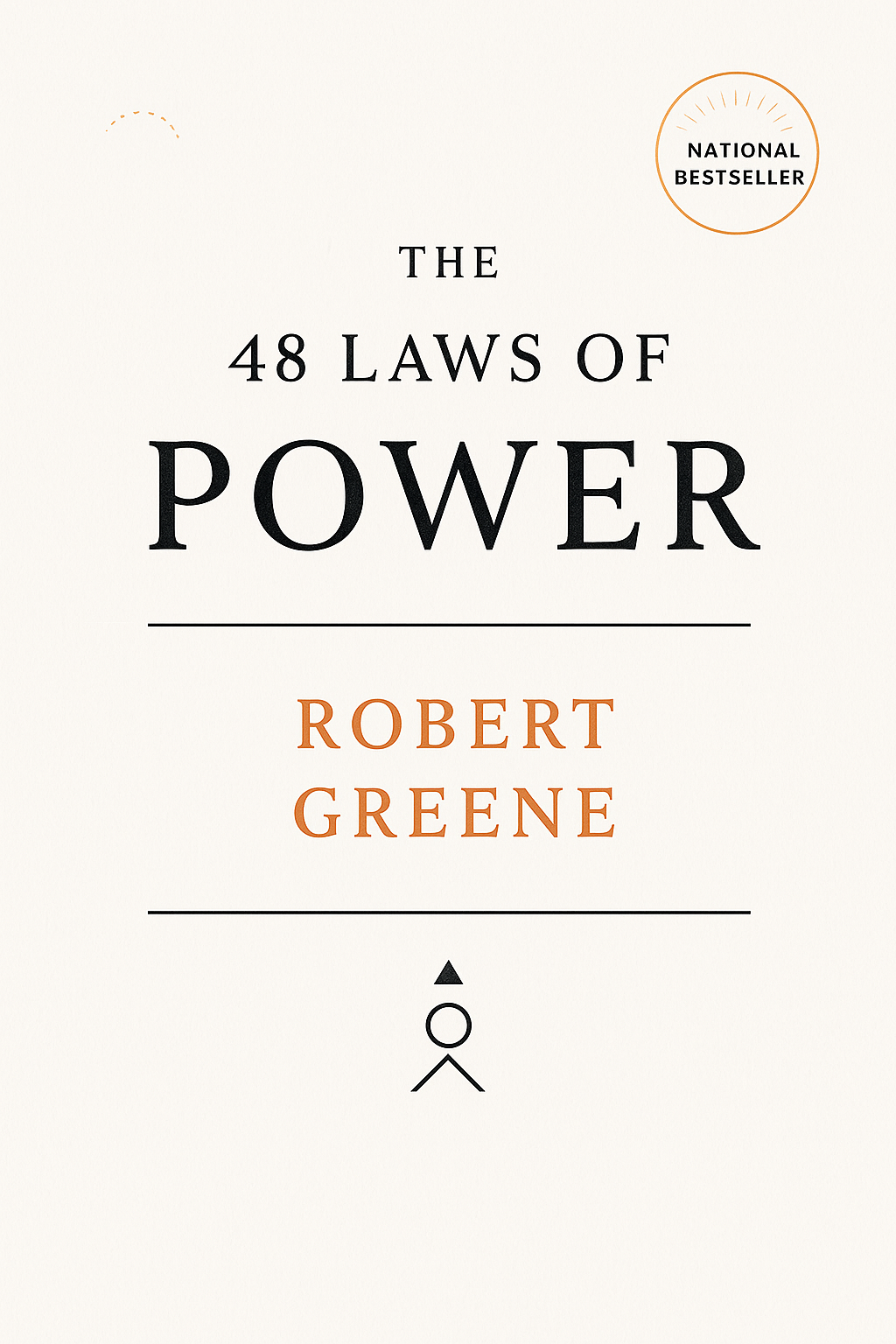
Foundations of Influence: Mastery, Secrecy & Reputation
Strategic Relationships & the Art of Elimination
Adaptability, Deception & the Courtier's Craft
Spectacle, Planning & Psychological Levers
Timing, Manipulation & Controlling the Narrative
Transformation, Flexibility & the Final Mastery

Transcript
SPEAKER_1: Alright, last time we covered strategic surrender and concentrating forces. Now the book shifts to something almost theatrical—reinventing yourself constantly to stay unpredictable. SPEAKER_2: Right. And the author's claim here is radical: true power comes from refusing the identity society assigns you and instead crafting yourself as a work of art. SPEAKER_1: But that sounds exhausting. How does the book justify constant self-reinvention? SPEAKER_2: Through Julius Caesar. He modeled himself after Alexander the Great and choreographed every aspect of his public persona. Power required theatrical self-creation, not authenticity. SPEAKER_1: So Caesar was performing constantly. But does that actually translate to influence? SPEAKER_2: Absolutely. George Sand adopted male clothing and scandalous behavior, controlling the narrative around her life. She gained far more influence than conventional society would have allowed. SPEAKER_1: Okay, but reinventing yourself is one thing. The book then pivots to something darker—using scapegoats to keep your hands clean. SPEAKER_2: Exactly. Law 42 operates on two levels: use intermediaries to disguise involvement in controversial actions, and cultivate an aura of innocence or even moral superiority. SPEAKER_1: Give me an example of that working. SPEAKER_2: Cesare Borgia. He appointed the brutal Remirro de Orco to pacify the Romagna region through ruthless methods, then had de Orco publicly executed in a shocking display. SPEAKER_1: Wait, so Borgia ordered the brutality, then executed the guy who carried it out? SPEAKER_2: Precisely. The people never connected Borgia to the earlier cruelty. They saw only his apparent justice. He satisfied their anger while establishing himself as a just ruler. SPEAKER_1: That's cold. But what's the difference between scapegoats and cat's-paws? SPEAKER_2: Cat's-paws unknowingly do your dirty work, like the monkey using the cat's paw to retrieve chestnuts from fire. Queen Elizabeth I mastered this, using intermediaries for executions and unpopular policies. SPEAKER_1: So she preserved her image as benevolent while wielding power ruthlessly. Then the book shifts to something completely different—creating cultlike devotion. SPEAKER_2: Right. Law 44 teaches that people's desperate need to believe in something greater can be harnessed. In times of uncertainty, individuals seek meaning, purpose, and simple answers. SPEAKER_1: But isn't that just manipulation? How does the author defend that? SPEAKER_2: Through five key techniques: keep your message vague but full of promise, emphasize visual spectacle over intellectual argument, borrow the structural forms of organized religion, disguise financial motives, and create an us-versus-them dynamic. SPEAKER_1: Give me a historical example. SPEAKER_2: Sigmund Freud. He created a cultlike atmosphere around psychoanalysis, establishing rituals, demanding absolute loyalty, excommunicating dissenters, and using specialized terminology that made his theories seem like exclusive knowledge. SPEAKER_1: So Freud wasn't just a scientist. He was building a movement. But why do these techniques work? SPEAKER_2: Because people fundamentally want to surrender their autonomy to someone who appears confident and certain, especially during periods of transition when traditional structures are breaking down. SPEAKER_1: That's unsettling. Then the book concludes with boldness carrying almost magical power. But doesn't boldness just invite disaster? SPEAKER_2: The author distinguishes boldness from recklessness. Boldness requires calculation and awareness, but once committed, you must move forward with complete conviction. Hesitation destroys the power of bold action. SPEAKER_1: How does that work in practice? SPEAKER_2: Pietro Aretino rose from poverty to become one of the most powerful men in sixteenth-century Europe through sheer audacity, demanding patronage from kings and popes by making it clear he could either enhance or destroy their reputations. SPEAKER_1: So for our listener, the integrated message is... power requires constant transformation, strategic distancing from dirty work, exploiting psychological needs, and moving with boldness? SPEAKER_2: Exactly. These laws represent the final mastery: the ability to transform yourself at will, maintain an unblemished reputation while accomplishing difficult objectives, inspire fanatical devotion, and bend reality to your will through boldness.