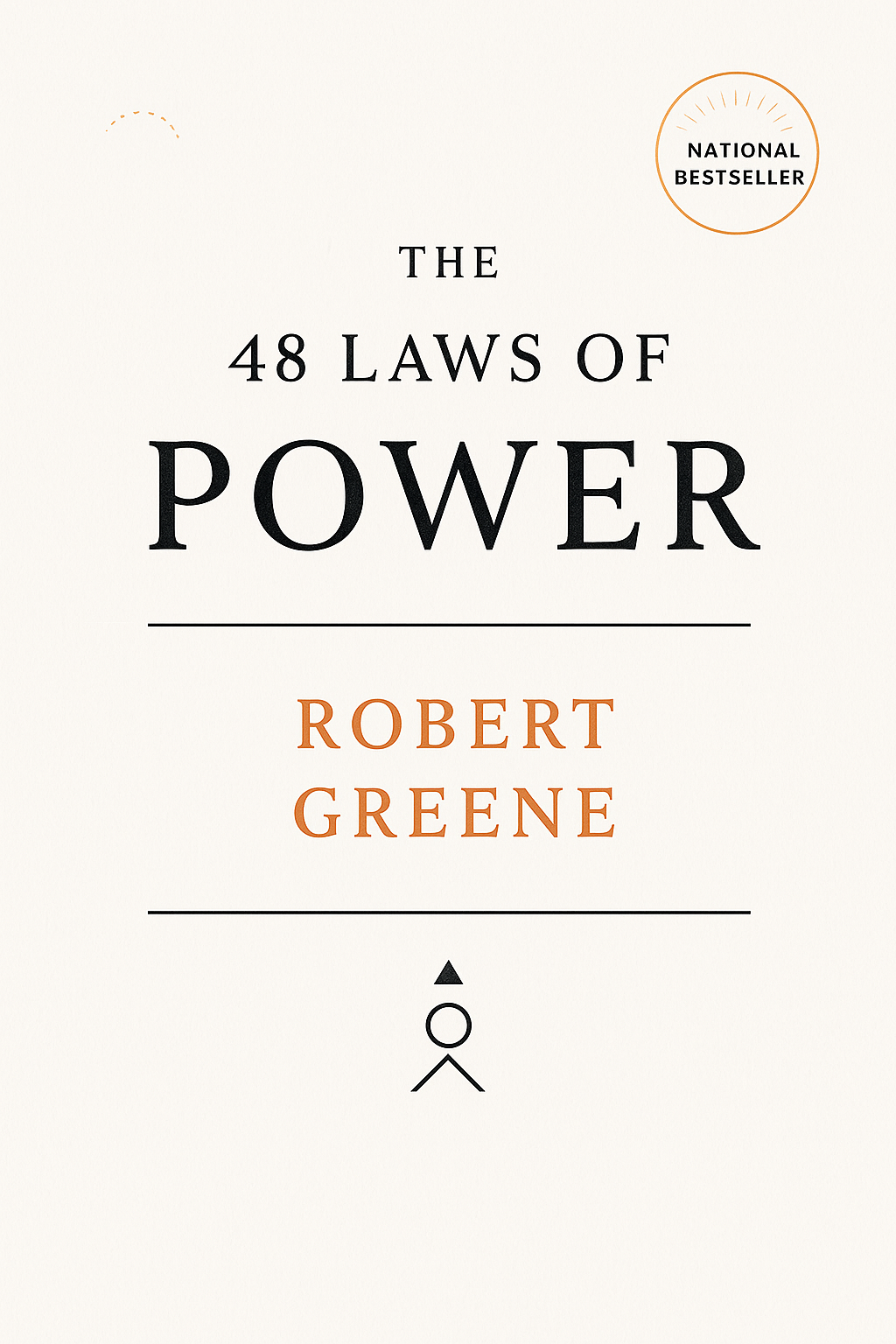
Foundations of Influence: Mastery, Secrecy & Reputation
Strategic Relationships & the Art of Elimination
Adaptability, Deception & the Courtier's Craft
Spectacle, Planning & Psychological Levers
Timing, Manipulation & Controlling the Narrative
Transformation, Flexibility & the Final Mastery

Transcript
Last time we saw how power operates through perception and positioning rather than fairness. Now the book shifts to something more intricate: creating dependency, weaponizing honesty, and exploiting self-interest. These three mechanisms form an integrated system for accumulating influence while appearing indispensable. Law 11 presents a paradox: true independence comes from making others dependent on you. Otto von Bismarck made himself essential to Kaiser Wilhelm I through unique diplomatic capabilities no other advisor could match. Michelangelo maintained power despite his difficult temperament because his artistic genius was irreplaceable. But the author warns of a delicate balance through Bismarck's eventual downfall under Wilhelm II. Even carefully constructed dependencies backfire when those in power feel threatened by their reliance on you. The key is developing specialized expertise that cannot be easily replicated while maintaining enough humility to avoid appearing threatening. Strategic advice includes never revealing all your techniques and keeping certain knowledge proprietary. Your absence must seem catastrophic to those who depend on you. You must make others need you more than you need them, but this dependency must feel natural and beneficial rather than coercive. Law 12 introduces a counterintuitive principle: strategic truth-telling can be the ultimate deception. Count Victor Lustig sold the Eiffel Tower twice by confessing he was a corrupt official who needed a bribe. This honest admission of wrongdoing actually increased the dealer's confidence in the scheme's legitimacy. The mechanism exploits a fundamental psychological vulnerability: people are naturally suspicious, but a single well-timed honest gesture lowers defenses more effectively than any persuasion. This is not about being generally honest, which makes you exploitable. It is about deploying honesty as a tactical weapon at crucial moments when suspicion peaks. Law 21 rejects appeals to mercy or gratitude in favor of framing every request around what the other person gains. Leonardo da Vinci's letter to Ludovico Sforza listed military engineering skills that served Sforza's martial ambitions. He mentioned his art only briefly at the end, aligning with the ruler's self-interest rather than asking for recognition. The author stresses that people have short memories for past favors and remain indifferent to others' hardships unless directly affected. Hernán Cortés secured ships by framing his expedition around the governor's ambitions for glory and wealth. Lope de Aguirre's letter filled with grievances and appeals to justice failed completely because it ignored self-interest as the most reliable human motivator. Together, these three laws form an integrated approach to power that combines making yourself indispensable, using honesty as a weapon of deception, and always appealing to others' self-interest rather than their better nature. The author emphasizes that successful power players recognize self-interest as the most reliable human motivator. They structure their requests as opportunities for mutual benefit even when they are the primary beneficiaries. The strategic framework requires thoroughly understanding what motivates your target: their ambitions, fears, and desires. Never remind them of past favors, which creates resentment rather than obligation. Cortés succeeded where Aguirre failed because he understood that people remain largely indifferent to others' hardships unless directly affected by them. The honest revelation in Law 12 must appear to cost you something and address specific suspicions the target holds. It should be followed by a trust-building period before executing larger deceptions. Historical examples from con artists to legitimate business leaders show how strategic concessions or admissions of minor flaws create credibility that enables major advantages later. Honesty and generosity create powerful contrast effects in competitive environments, trigger reciprocity obligations, and generate halo effects that color all subsequent interactions favorably. This is not about being generally honest, which would make you exploitable. It is about deploying these qualities as tactical weapons at crucial moments when suspicion peaks and defenses are highest. The integrated message is that power accumulates through creating irreplaceable value, exploiting psychological vulnerabilities through strategic honesty, and framing every interaction around what others gain. Those who master these mechanisms control the dependencies, perceptions, and motivations that determine who rises and who remains subordinate in any competitive environment.