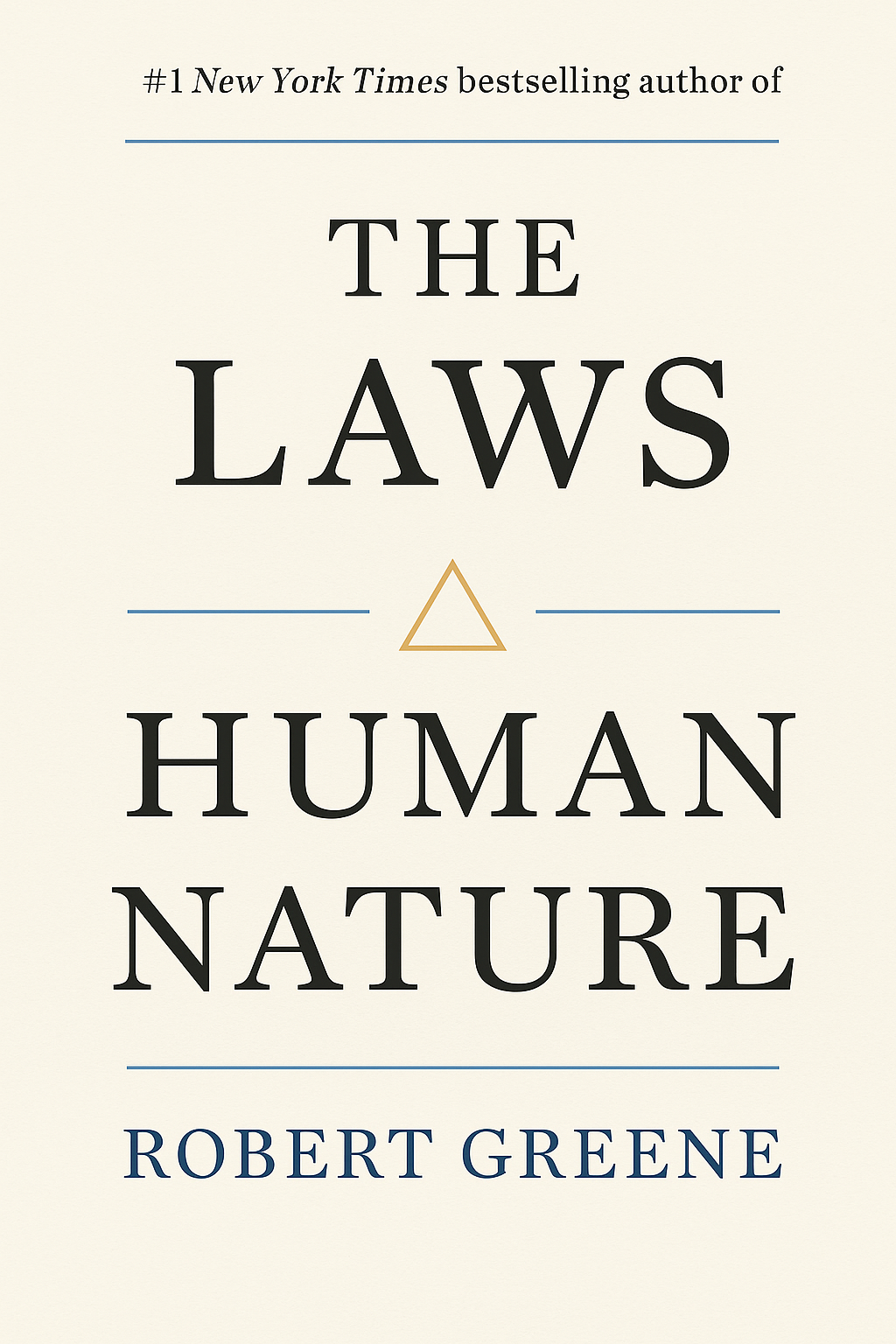
Seeing Beneath the Surface of Human Behavior
Character, Desire, Perspective, and Persuasion
Attitude, Shadow, Envy, and the Fragile Self
Limits, Inner Polarity, and a Life of Purpose
Groups, Authority, and Hidden Aggression
The Spirit of the Times and the Wisdom of Mortality

Transcript
The previous lecture established that human beings are not rational creatures — our behavior is driven by unconscious forces we rarely examine honestly. Now the author pushes deeper into what actually controls us. The answer, according to the book, is character. Character, as the author defines it, is the accumulated set of habits, emotional responses, and coping mechanisms formed largely in childhood. These patterns calcify over time into fixed behavioral scripts that repeat regardless of context or stated intentions. Anton Chekhov serves as the book's model of rare self-knowledge — a man who consciously rejected his tyrannical father's values yet honestly recognized those early patterns pulling at him. The practical implication is powerful and unsettling. The author argues that past behavior, especially under stress or conflict, is the most reliable predictor of future behavior. Stated intentions, polished first impressions, and reputation are far less accurate guides than the actual record of what someone has done. The author provides a structured method for reading character in others. The most revealing moments are not when people perform for an audience, but when they believe no one important is watching — how they treat subordinates, how they respond to minor frustrations, how they react when a plan fails. These moments strip away the social mask and expose the underlying compulsive structure. The book also warns against rationalizing early warning signs. Excusing a colleague's dishonesty as a one-time lapse, or a partner's controlling behavior as passion, is a critical mistake. The author contends that early signals are the most honest expressions of character available, and the traits they reveal will only intensify over time. The author identifies specific character types that carry predictable, compulsive patterns. The Hyperperfectionist cannot delegate; the Relentless Rebel defines themselves through opposition; the Personalizer cannot separate criticism of their work from criticism of themselves. The Drama Magnet unconsciously creates crises, the Big Talker substitutes promises for results, and the Pampered Prince or Princess collapses when reality does not meet their entitlement. Strong character, by contrast, is marked by consistency between words and actions, resilience under pressure, and a willingness to accept responsibility. Weak character reveals itself through chronic excuse-making, blaming external circumstances, and an inability to complete commitments. The author stresses that surface charm can mask serious character deficiencies, making it essential to look past first impressions to the actual behavioral record across time. The final dimension turns inward. Genuine self-improvement, the author argues, requires developing honest self-observation — watching yourself as if from the outside and noticing emotional triggers without immediately justifying them. Superficial behavioral changes collapse under pressure; deep character work means confronting the original wound generating the compulsive pattern. Strong character — defined by resilience, adaptability, and the capacity to delay gratification — is presented as the single most important asset a person can cultivate across an entire lifetime. The author draws a sharp line between strong and weak character. Strong character shows consistency between words and actions, resilience under pressure, and genuine accountability. Weak character reveals itself through excuse-making, blame, and an inability to follow through. Surface charm, the author warns, can mask serious character deficiencies entirely. This makes it essential to look past first impressions and examine the actual behavioral record across varied circumstances. A person's pattern over time is always more honest than their best performance. The final dimension turns inward. Genuine self-improvement requires honest self-observation — watching yourself from the outside and noticing emotional triggers without immediately justifying them. Superficial behavioral changes collapse under pressure; real character work means confronting the original wound driving the compulsive pattern. The author distinguishes between people who tweak surface habits and those who do the harder work of examining what originally created those habits. One approach produces temporary change; the other produces durable transformation. The difference, in the book's view, is the difference between performance and actual growth. Strong character — defined by resilience, adaptability, honesty, and the capacity to delay gratification — is presented as the single most important asset a person can cultivate. It determines the quality of every decision, relationship, and endeavor across a lifetime. The author's core argument is that understanding character, in others and in yourself, is the foundation of every other skill this book teaches.