The Spirit of the Times and the Wisdom of Mortality
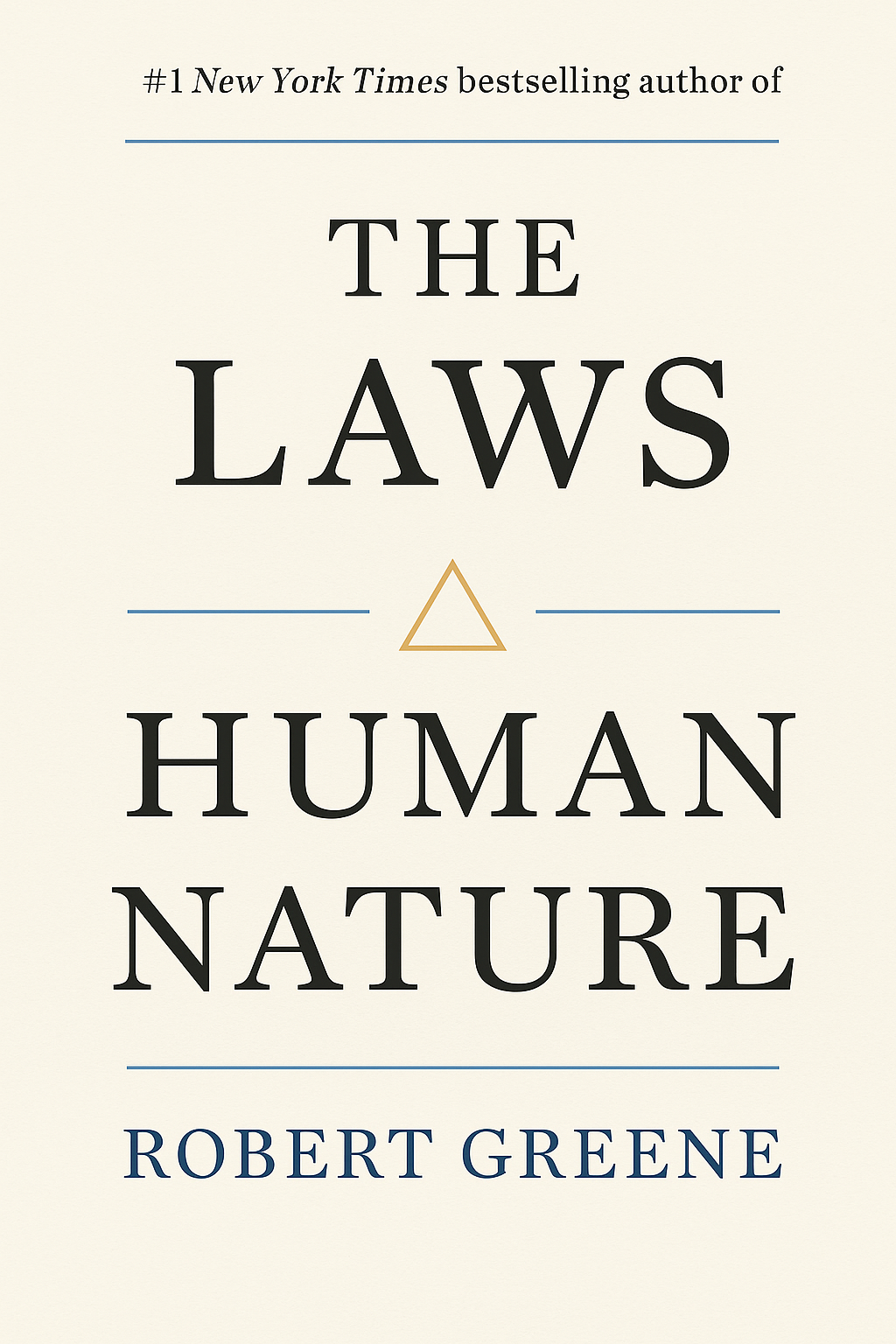
The Laws of Human Nature by Robert Greene
Seeing Beneath the Surface of Human Behavior
Character, Desire, Perspective, and Persuasion
Attitude, Shadow, Envy, and the Fragile Self
Limits, Inner Polarity, and a Life of Purpose
Groups, Authority, and Hidden Aggression
The Spirit of the Times and the Wisdom of Mortality

Transcript
The previous lecture revealed how group pressure erodes individual judgment and how resisting conformity requires active, deliberate effort. The author now turns to a force that shapes entire generations without anyone noticing: the historical moment into which you are born. According to the author, this invisible shaping is one of the most consequential blind spots a person can carry. The author argues that your formative years — roughly ages 14 to 20 — create deep psychological templates that color perception for life. The specific economic conditions, social upheavals, and cultural currents of that window become your unconscious baseline for what feels normal. The author calls the failure to recognize this influence "generational myopia." Generations develop collective psychologies: shared values, anxieties, and assumptions that feel like personal preferences but are actually artifacts of a particular historical moment. The generation shaped by the Great Depression absorbed lasting frugality and caution; postwar Baby Boomers absorbed idealism and entitlement. Each generation also tends to define itself in opposition to the one before it, creating a pendulum swing in cultural priorities that follows a predictable logic. The strategic implications, in the author's view, are substantial. Most people are passive victims of their generational moment, unconsciously absorbing its spirit and mistaking that conditioning for reality. The rare individual who develops what the author calls "generational awareness" — the capacity to observe their own era with detachment — gains an enormous advantage. This means studying the generation just before your own, since the current generation is largely defined by its reaction against that predecessor. It also means paying close attention to the youngest cohort entering adulthood, because their tastes and frustrations signal where culture is heading before it becomes obvious. The author points to Napoleon as someone who possessed an extraordinary ability to sense the mood of his era and channel it with precision. Critically, the author distinguishes this practice from cynical pandering. The goal is genuine attunement — understanding what people feel but cannot fully express, then giving that feeling a form or direction. People can sense the difference between being manipulated and being genuinely understood, and only the latter produces lasting resonance. The author also warns against two symmetrical errors that trap most people. Nostalgia idealizes a past era and tries to revive its values in a world that has moved on. Uncritical presentism assumes whatever is new is automatically superior to what came before. Both errors, in the author's view, reflect a failure to think historically. They are mirror images of the same blindness: an inability to see one's own era as a temporary configuration rather than a permanent truth. The author contends that genuine historical thinking requires holding your own moment at arm's length. The practical framework the author prescribes is concrete and actionable. It involves immersing yourself in the popular culture and slang of the current moment to read its emotional texture. Identifying the dominant anxieties running beneath public discourse reveals the collective hungers most people feel but cannot articulate. Those who master this skill do not simply react to history — they position themselves at the leading edge of cultural transformation. The author argues that history moves in generational waves, and wisdom lies in learning to read those waves with clarity. Becoming a defining voice of your era, rather than a relic of a passing one, is the reward for that discipline. The author closes with a final, sobering insight: awareness of mortality sharpens all of this. Recognizing that your time is finite forces a confrontation with what actually matters. It strips away the passive drift that generational conditioning encourages and replaces it with deliberate intention.