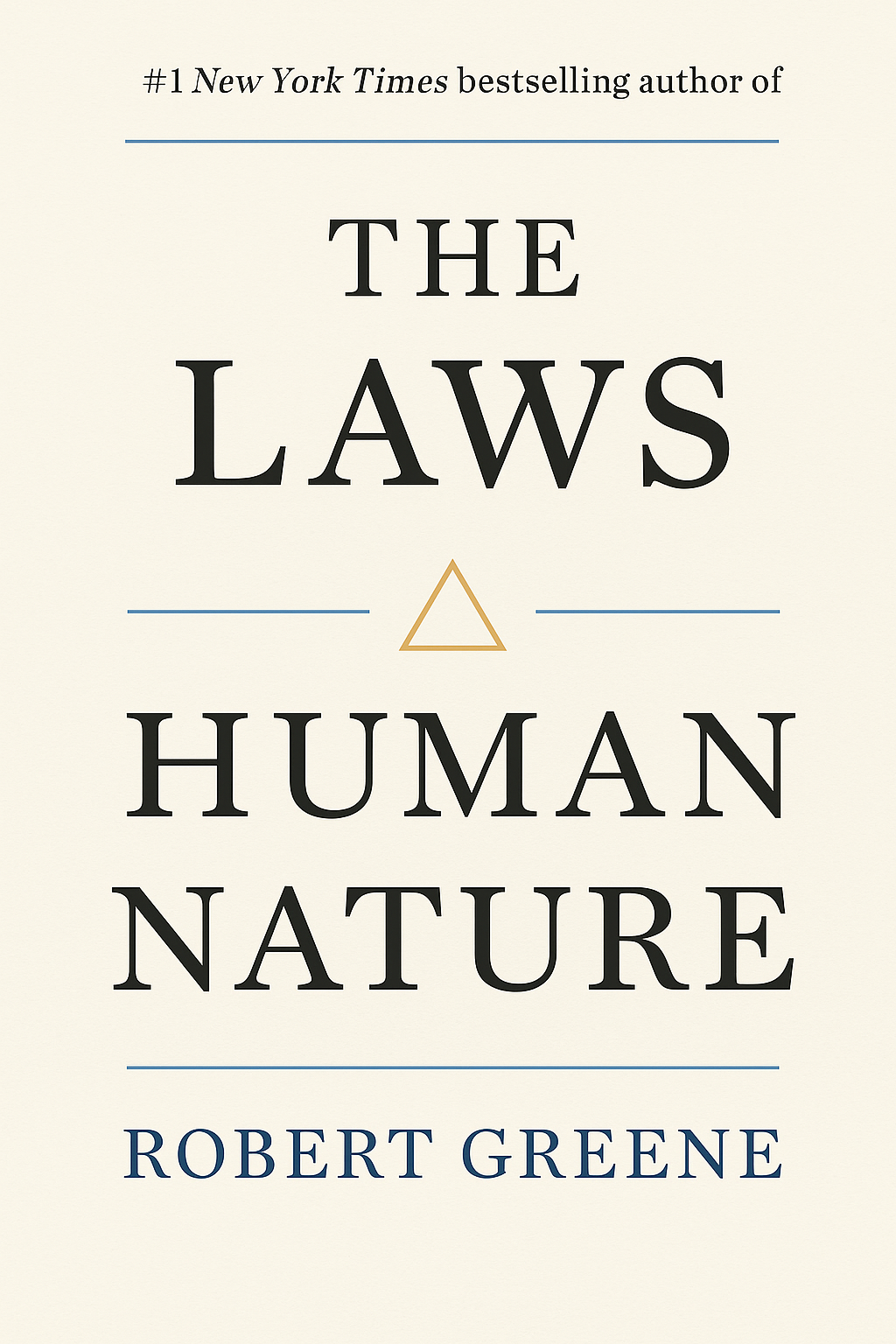
Seeing Beneath the Surface of Human Behavior
Character, Desire, Perspective, and Persuasion
Attitude, Shadow, Envy, and the Fragile Self
Limits, Inner Polarity, and a Life of Purpose
Groups, Authority, and Hidden Aggression
The Spirit of the Times and the Wisdom of Mortality

Transcript
Most people assume their circumstances are shaped by luck, other people, or systems beyond their control. The author argues the real architect is something far more intimate: your attitude — the interpretive lens through which you experience everything. Change that lens, and the world you inhabit changes with it. The previous lecture established that character is built from accumulated habits and emotional patterns formed early in life, and that past behavior is the most reliable predictor of future behavior. The author extends that insight here by arguing that attitude — not trauma itself — determines outcomes. Two people can share nearly identical difficult childhoods and end up in radically different places, depending on whether they develop an expansive or contracted internal orientation. The author identifies five recurring negative attitude patterns that function as self-sabotage mechanisms. The hostile attitude reads neutral social signals as threatening and alienates potential allies. The anxious attitude avoids risk; the avoidant retreats into passivity; the depressive drains motivation; and the resentful fixates on perceived injustice, foreclosing forward movement. What makes these patterns so persistent is that they feel natural and self-evidently correct. We rarely question them because they are the very lens we use to see everything else. The result is that people unconsciously recreate the same problems across different settings, always blaming the new environment rather than recognizing the constant variable: themselves. The practical framework the author offers begins with radical self-examination — tracing recurring life patterns back to the attitudes generating them. A key technique called the reversal involves deliberately cataloging evidence that contradicts your limiting assumptions. This is not positive thinking; it is a disciplined cognitive correction of a systematic bias toward negative interpretation. The author uses Anton Chekhov as a central example: raised under a tyrannical father, Chekhov described squeezing the slave out of himself drop by drop, illustrating that genuine attitude transformation is a sustained practice, not a single insight. The author also observes that your underlying emotional tone is perceptible to others even when never explicitly stated. People projecting curiosity and trust tend to elicit cooperation, attract better opportunities, and recover from setbacks with resilience — all of which compound into measurably better outcomes. Conversely, those projecting suspicion or resentment provoke defensiveness, confirming their own negative worldview in a self-fulfilling loop. The author warns that cynicism can feel intellectually sophisticated, but it ultimately removes agency and forecloses the possibility of change. Genuine transformation begins at the level of perception itself, and exercising conscious agency over that perception is, in the book's view, the most powerful lever any person possesses. Changing external circumstances without first changing the internal orientation that created them is futile. The author contends that the same destructive patterns will simply reassert themselves in new environments. The problem travels with you because you are the constant variable. The author also warns against a specific social trap: the seductive comfort of victimhood. Cynicism can feel emotionally protective and even intellectually sophisticated, but it removes agency entirely. Once you frame your situation as someone else's fault, the possibility of change closes off completely. The book's concluding argument is that self-sabotage is not destiny — it is a habit of mind. Once identified, it can be systematically dismantled through sustained behavioral and cognitive correction. Acting as if you already possess a more open, confident orientation can gradually make that orientation authentic over time.