Attention, Status, and the Hidden Drivers of Our Spending
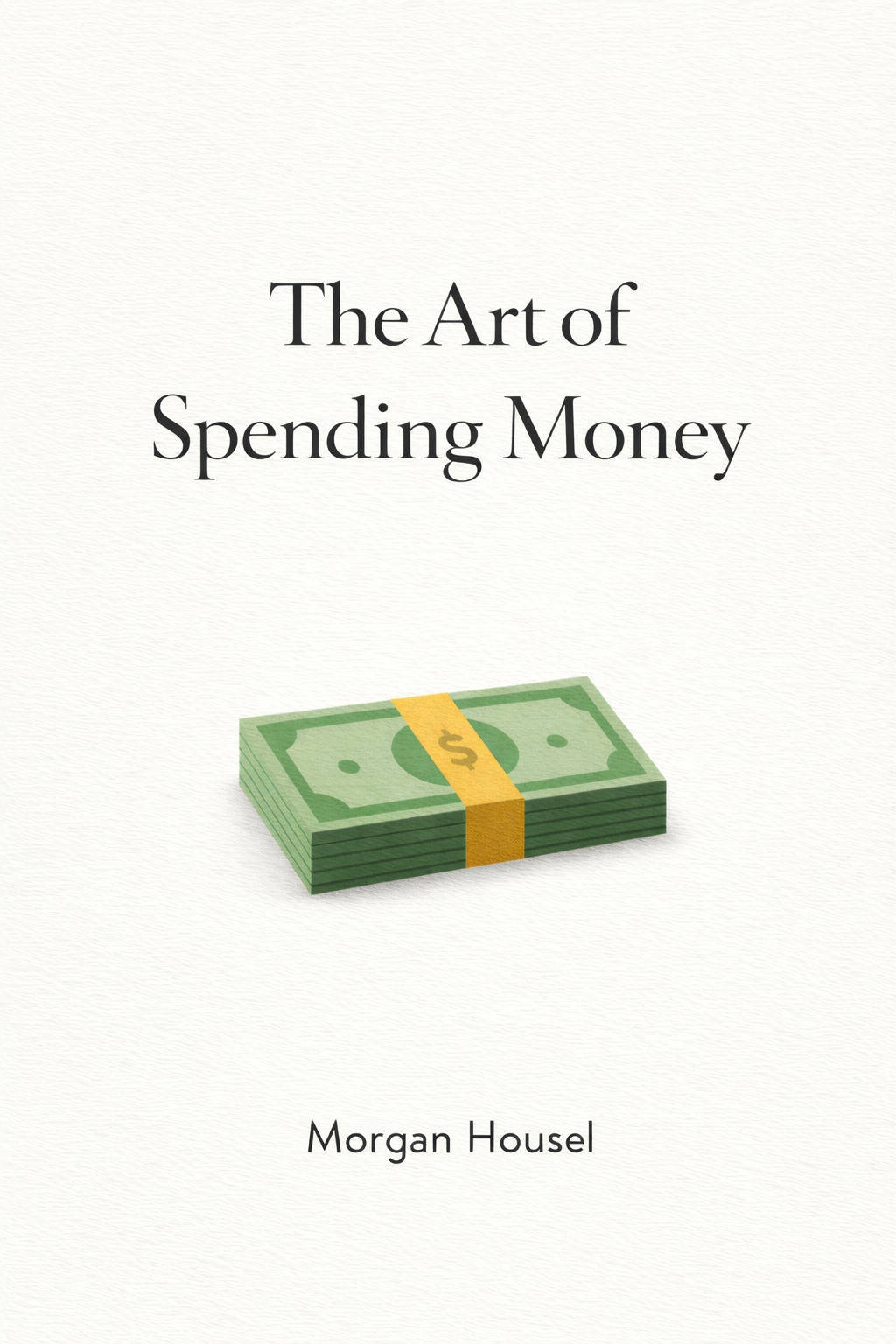
The Art of Spending Money: Simple Choices for a Richer Life by Morgan Housel
Why Simplicity Beats Excess: The Quest for a Life That Serves You
Attention, Status, and the Hidden Drivers of Our Spending
Invisible Costs and the Power of Not Impressing
Finding Real Joy: What Truly Makes Us Happy
Utility vs. Status: Choosing What Matters
Risk, Regret, and the Lens of Comparison
Social Debt, Quiet Compounding, and Identity‑Based Spending
Putting It All Together: Experiments, Family, and the Bigger Picture

Transcript
SPEAKER_1: Alright, so the author's making this claim that attention is now more valuable than actual money. That sounds like tech industry hype to me. SPEAKER_2: It does sound that way, but look at the evidence. Tech companies with the best attention-capture mechanisms command the highest valuations despite producing no physical products. That's not hype—that's market reality. SPEAKER_1: But how does that translate to someone's personal finances? A company's valuation doesn't affect whether someone buys something they don't need. SPEAKER_2: Actually, it's directly connected. Those companies spend enormous sums on sophisticated psychological tactics—influencer marketing, viral content strategies—specifically designed to hijack spending patterns. The average person encounters thousands of advertising messages daily. SPEAKER_1: Thousands seems exaggerated. And even if true, people can just... ignore ads, right? SPEAKER_2: That's the trap. The author shows people make poor financial decisions not from lack of intelligence, but because their attention is continuously manipulated. Buying things after repeated exposure in feeds, impulse purchases when targeted advertising strikes at vulnerable moments. SPEAKER_1: So what's the solution? Delete all social media? That's not realistic for most people. SPEAKER_2: The author doesn't say delete everything. The solution connects to the second major insight: the happiest and most financially successful people maintain low expectations. It's about controlling what captures your focus—limiting exposure to advertising, being selective about social media consumption. SPEAKER_1: Wait, low expectations? That sounds like giving up on ambition. How is that a financial strategy? SPEAKER_2: It's not about lacking ambition. It's calibrating expectations to reality in ways that produce consistent satisfaction rather than perpetual disappointment. Happiness stems from the gap between what you have and what you expect to have—a gap entirely within our control. SPEAKER_1: But doesn't that contradict basic economics? If people lower expectations, they won't strive for more income or better opportunities. SPEAKER_2: That's a fair critique, but the author addresses it with concrete examples. Lottery winners often end up no happier because their lifestyle expectations inflate to match their new wealth. People receiving raises quickly adapt and begin wanting more—trapped on the hedonic treadmill. SPEAKER_1: So the book's saying more money doesn't help? That seems disconnected from reality for someone struggling to pay rent. SPEAKER_2: No, the author's not saying money doesn't matter. The point is that many people never define what 'enough' means to them, endlessly chasing a receding goalpost regardless of how much they accumulate. High earners living paycheck to paycheck because spending rises in lockstep with income. SPEAKER_1: Okay, but how does someone actually manage expectations when social media exists? Everyone's constantly seeing others' highlight reels. SPEAKER_2: Exactly—that's why the author argues attention and expectations are interrelated financial skills. Social comparison proves particularly destructive because constant exposure to others' circumstances unethers expectations from personal reality and anchors them to someone else's life. SPEAKER_1: So the book's prescription is just... consume less media and want less stuff? That feels overly simplistic. SPEAKER_2: It's more nuanced. Someone earning less but maintaining control over their attention and expectations may achieve superior financial outcomes compared to someone earning more but constantly subjected to psychological pressures promoting consumption. It's a form of wealth itself. SPEAKER_1: That's an interesting reframe. So for our listener, the takeaway is that financial success isn't just about earning more—it's about protecting yourself from forces designed to make you spend? SPEAKER_2: Precisely. In an economy built on capturing attention and inflating desires, the ability to direct your own focus and calibrate your own expectations creates sustainable, reliable happiness independent of external circumstances. That's the real competitive advantage.