Risk, Regret, and the Lens of Comparison
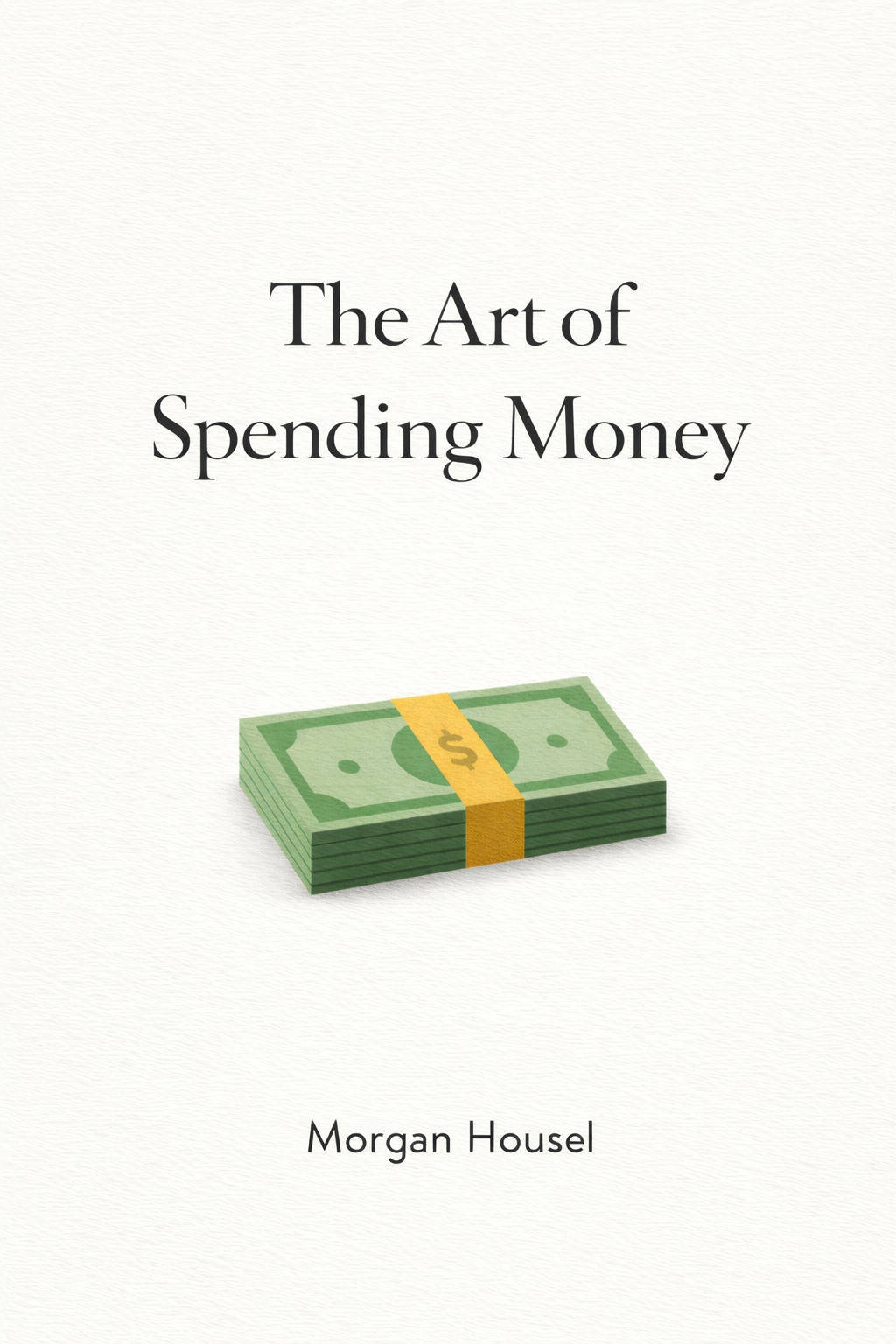
The Art of Spending Money: Simple Choices for a Richer Life by Morgan Housel
Why Simplicity Beats Excess: The Quest for a Life That Serves You
Attention, Status, and the Hidden Drivers of Our Spending
Invisible Costs and the Power of Not Impressing
Finding Real Joy: What Truly Makes Us Happy
Utility vs. Status: Choosing What Matters
Risk, Regret, and the Lens of Comparison
Social Debt, Quiet Compounding, and Identity‑Based Spending
Putting It All Together: Experiments, Family, and the Bigger Picture

Transcript
SPEAKER_1: Alright, so last time we talked about utility versus status—buying things for what they do versus what they signal. Now the author's claiming social comparison is the root of all financial evil. Isn't that overstating it? SPEAKER_2: It does sound dramatic, but the evidence is compelling. Research shows happiness correlates more with relative wealth compared to peers than absolute wealth. Someone earning two hundred thousand in a wealthy neighborhood often feels poorer than someone earning eighty thousand in a middle-class area. SPEAKER_1: But that's just psychology, not actual financial harm. How does feeling relatively poor translate to bad decisions? SPEAKER_2: Because it creates a moving target for satisfaction. The author shows that achieving parity with one group leads people to shift comparisons upward to a wealthier group. You're never satisfied because the goalpost keeps moving. SPEAKER_1: Okay, but people have always compared themselves to neighbors. Why is this suddenly a crisis? SPEAKER_2: Social media. The comparison group expanded from immediate neighbors to millions showcasing curated highlight reels. The author argues this makes it impossible to 'win' the comparison game—there will always be someone with more. SPEAKER_1: So the solution is what, delete Instagram? That feels like avoiding the real issue. SPEAKER_2: It's deeper than that. The author reveals that people rarely admit they're buying something for social comparison. They rationalize purchases with other justifications while the true motivation—keeping up with others—remains subconscious. SPEAKER_1: Wait, so the book's saying people don't even know why they're spending money? That seems like a convenient excuse for poor choices. SPEAKER_2: Not an excuse—an explanation. And here's where the author pivots to what money should actually accomplish: purchasing independence and control over time. That's the highest dividend wealth can pay. SPEAKER_1: Independence sounds great, but what about high earners? Investment bankers make millions. They have independence, right? SPEAKER_2: That's the paradox the author exposes. Many high-income professionals—bankers, corporate lawyers, surgeons—earn substantial salaries but sacrifice nearly all control over their schedules, relationships, and life choices. They're financially rich but poor in autonomy. SPEAKER_1: But they chose those careers. They could leave if they wanted. SPEAKER_2: Could they? The author shows how social comparison traps people in jobs they dislike. They need high incomes to support lifestyles that don't actually make them happy—lifestyles adopted to match what peers have. SPEAKER_1: So it's a cycle. Comparison drives spending, which requires high income, which eliminates freedom. But how does someone break out? SPEAKER_2: By reorienting how financial decisions are evaluated. Instead of asking whether a purchase or career move looks impressive to others, the critical question becomes: does this increase or decrease control over my time? SPEAKER_1: That sounds simple in theory. But for someone struggling financially, control over time is a luxury they can't afford. SPEAKER_2: The author addresses that directly. This principle applies across all income levels. It's not about being rich enough to retire early—it's about structuring financial life to maximize autonomy regardless of income. SPEAKER_1: Give me a concrete example. What does that look like for someone earning fifty thousand a year? SPEAKER_2: Choosing a lower-paying position with greater flexibility over a higher-paying job with longer hours and more stress. The author shows people in the former category often experience higher life satisfaction despite smaller bank accounts. SPEAKER_1: But that requires accepting less money. Most people would see that as failure. SPEAKER_2: Exactly—because they're measuring success by social comparison rather than personal autonomy. The author argues that accumulating wealth without gaining control represents a fundamental failure to understand money's true value. SPEAKER_1: So for our listener, the takeaway is that financial contentment comes from defining success on personal terms, not by what peers have? SPEAKER_2: Precisely. True wealth is the ability to wake up each morning and decide how to spend your day. Money that doesn't purchase that freedom, regardless of the amount, leaves you impoverished in the way that matters most for human happiness.