Social Debt, Quiet Compounding, and Identity‑Based Spending
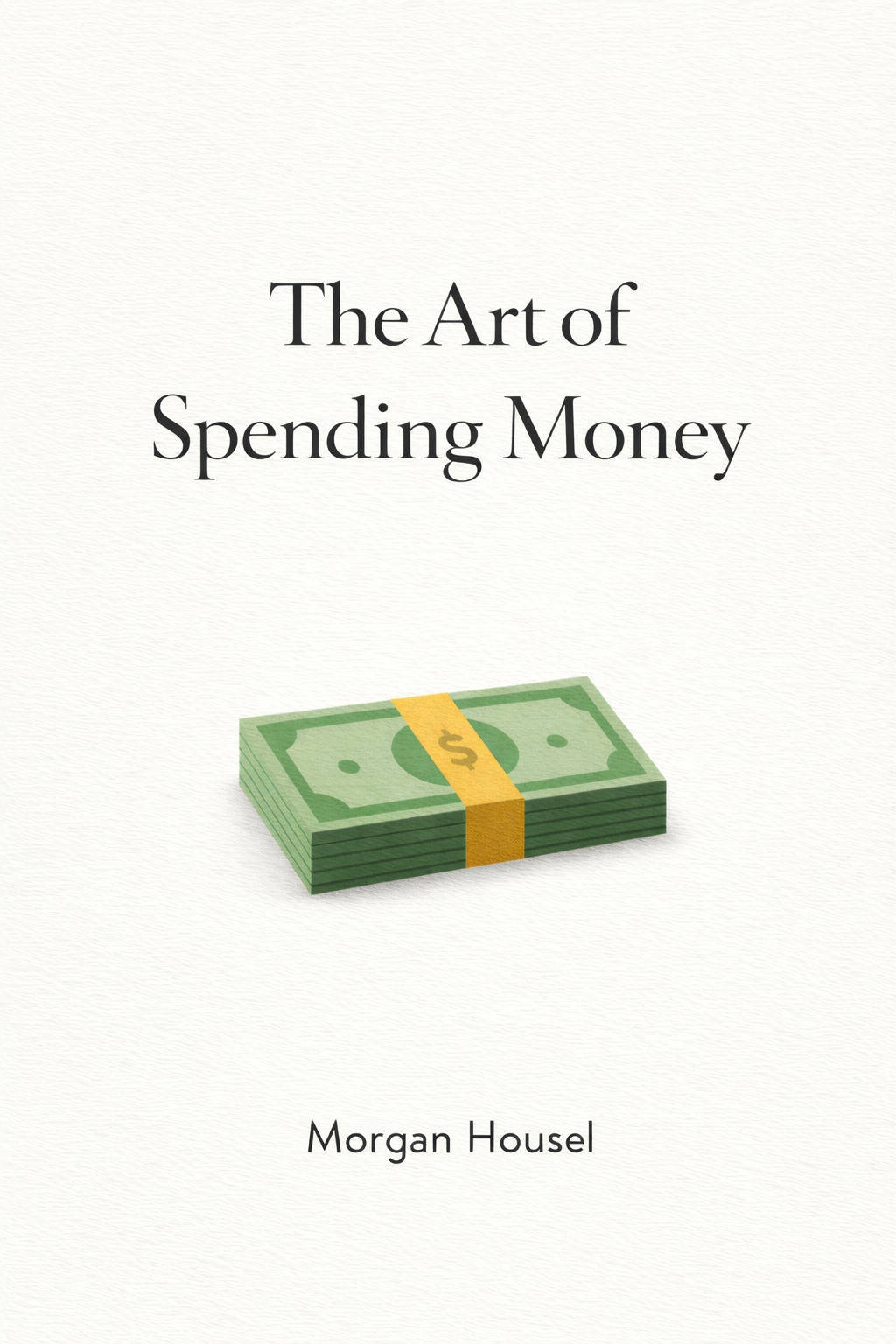
The Art of Spending Money: Simple Choices for a Richer Life by Morgan Housel
Why Simplicity Beats Excess: The Quest for a Life That Serves You
Attention, Status, and the Hidden Drivers of Our Spending
Invisible Costs and the Power of Not Impressing
Finding Real Joy: What Truly Makes Us Happy
Utility vs. Status: Choosing What Matters
Risk, Regret, and the Lens of Comparison
Social Debt, Quiet Compounding, and Identity‑Based Spending
Putting It All Together: Experiments, Family, and the Bigger Picture

Transcript
Every visible purchase creates an invisible obligation that compounds over time, trapping you in spending patterns you never consciously chose. When you buy an expensive car, upgrade to a larger home, or share luxury experiences on social media, you're not just making a financial transaction—you're establishing a baseline expectation among peers, family, and colleagues about your financial status. This social debt proves particularly insidious because no statement arrives showing what you owe in maintaining appearances, yet the pressure is real and financially devastating. Last time, we examined how true wealth means purchasing independence and control over time rather than impressing others through consumption. The author reveals that social debt intensifies with income level, as high-earning professionals face lifestyle expectations matching their job titles, creating a trap where higher earnings don't translate to greater freedom but simply raise the floor of expected spending. The most sustainable approach requires mindfulness not just about immediate financial costs, but about the social obligations being created, preserving freedom by keeping lifestyle modest relative to means and maintaining privacy about financial circumstances. The principle of quiet compounding offers a counterbalance to the visibility trap, demonstrating that the most powerful forms of wealth accumulation happen away from attention and interference. Housel argues that compounding—whether financial, professional, or personal—works best when operating in the background, without fanfare or public recognition, contrasting sharply with modern tendencies toward immediate validation that actually undermine long-term success. Warren Buffett exemplifies this, having made ninety-nine percent of his wealth after age fifty through consistent, quiet accumulation over decades rather than dramatic moves, avoiding spotlight on day-to-day decisions and resisting pressure to constantly prove himself. The psychological challenges of quiet compounding prove particularly acute in an age of social media and instant gratification, as humans are wired to seek immediate feedback and social validation. Performance pressure—the compulsion to constantly demonstrate progress—often leads to suboptimal decisions made simply to have something to show: taking unnecessary risks, abandoning sound long-term strategies for short-term gains, or pivoting from what's working because results aren't immediately visible. True compounding requires not just time and consistency, but emotional fortitude to continue working when no one is watching, when results are invisible, and when there's no external validation. Creating systems and environments that shield you from constant scrutiny becomes essential for allowing compounding to work—avoiding frequent portfolio checks, limiting social media exposure, building careers allowing independent work. The author shows that the ability to delay gratification and work without recognition becomes increasingly rare and therefore increasingly valuable in modern society. Together, these concepts reveal a fundamental tension: the pressure to display success conflicts directly with the conditions necessary to build it, suggesting that true financial independence requires managing both your resources and the expectations of those around you while cultivating the patience to let growth happen in silence.