Finding Real Joy: What Truly Makes Us Happy
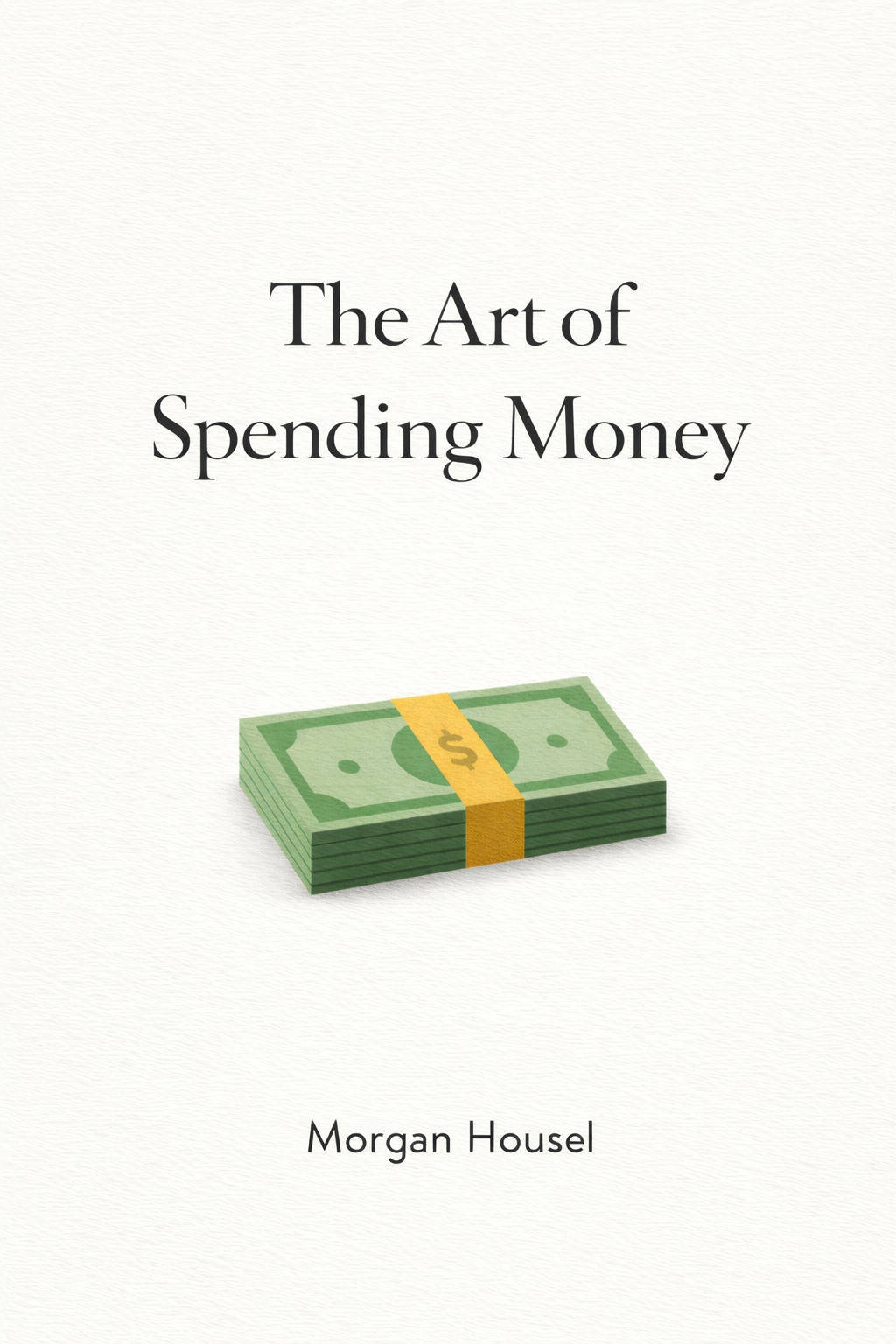
The Art of Spending Money: Simple Choices for a Richer Life by Morgan Housel
Why Simplicity Beats Excess: The Quest for a Life That Serves You
Attention, Status, and the Hidden Drivers of Our Spending
Invisible Costs and the Power of Not Impressing
Finding Real Joy: What Truly Makes Us Happy
Utility vs. Status: Choosing What Matters
Risk, Regret, and the Lens of Comparison
Social Debt, Quiet Compounding, and Identity‑Based Spending
Putting It All Together: Experiments, Family, and the Bigger Picture

Transcript
SPEAKER_1: Alright, so last time we talked about how wealth is invisible—the stuff you don't buy. But now the author's claiming money doesn't actually buy happiness. Isn't that contradictory? SPEAKER_2: Not quite. The author's not saying money is irrelevant. The argument is that most people misunderstand which uses of money actually create lasting satisfaction. It's about specificity, not blanket dismissal. SPEAKER_1: Okay, but that feels like splitting hairs. If someone buys a dream house or a luxury car, they're happy, right? SPEAKER_2: Temporarily, yes. But the book introduces hedonic adaptation—the phenomenon where we quickly return to baseline happiness regardless of new purchases. That car that once thrilled you becomes just transportation. The dream house becomes simply where you live. SPEAKER_1: So the author's saying all purchases are pointless? That can't be the takeaway. SPEAKER_2: No, there's a crucial distinction. Research shows experiences provide more enduring happiness than material possessions because experiences create memories that improve over time through romanticization, while physical goods depreciate both materially and perceptually. SPEAKER_1: Wait, memories improve over time? That sounds like nostalgia bias, not a financial strategy. SPEAKER_2: It's actually both. The author points to studies showing people remember experiences more fondly as time passes, whereas possessions lose their emotional impact. A vacation from five years ago gets better in memory; a five-year-old car just feels old. SPEAKER_1: But what about social comparison? People buy things to signal status. How does the book account for that pressure? SPEAKER_2: That's exactly the trap. Social comparison creates an endless treadmill—constantly measuring yourself against others means no amount ever feels sufficient. The author argues this undermines the very happiness money should provide. SPEAKER_1: So what's the solution? Just ignore what everyone else has? That's psychologically unrealistic for most people. SPEAKER_2: The author doesn't say it's easy. But here's the most powerful insight: control over time—autonomy over how you spend your days—consistently ranks as the strongest predictor of life satisfaction across studies. That's what money should buy. SPEAKER_1: Control over time... meaning what, exactly? Retirement? That's decades away for most listeners. SPEAKER_2: Not retirement. Flexibility now. The ability to decline a job you hate, to weather downturns without panic, to make thoughtful decisions instead of being forced into bad choices by financial pressure. That's what wealth actually provides. SPEAKER_1: But that brings us back to the rich versus wealthy distinction. Someone earning five hundred thousand a year has more control than someone earning fifty thousand, regardless of savings. SPEAKER_2: That's where the author challenges conventional thinking. Someone earning five hundred thousand who spends it all has zero wealth—no buffer, no options. Someone earning one hundred thousand who saves twenty thousand annually builds real security and genuine freedom. SPEAKER_1: Okay, but the person earning five hundred thousand could just... start saving. They have more capacity. SPEAKER_2: In theory, yes. But the book shows that visible consumption is how financial success gets demonstrated and acknowledged. The person driving a modest car while accumulating assets receives no social credit—their success remains invisible, even to themselves sometimes. SPEAKER_1: So the psychological difficulty is resisting the urge to look successful while actually becoming successful? SPEAKER_2: Exactly. And that connects to the 'enough' problem the author emphasizes. Without defining what 'enough' means personally, no amount will ever feel adequate. Extremely wealthy individuals continued pursuing more at great cost to relationships and health. SPEAKER_1: That's a fair point. But for someone struggling financially, this all sounds abstract. What's the practical takeaway? SPEAKER_2: The author argues there's a threshold where basic needs and reasonable comforts are secure. Beyond that, focus resources on experiences, relationships, and purchasing time freedom rather than accumulating possessions or status symbols. SPEAKER_1: So for our listener, the message is that financial stress creates profound unhappiness, but more money beyond a certain point solves fewer problems than we imagine? SPEAKER_2: Precisely. True financial success isn't about looking successful to others. It's about having the resources and options that provide genuine security, freedom, and the ability to spend time on what actually matters. That requires self-knowledge and resistance to social pressure.