The Inner Athena Awakens: From Narcissism to Empathy
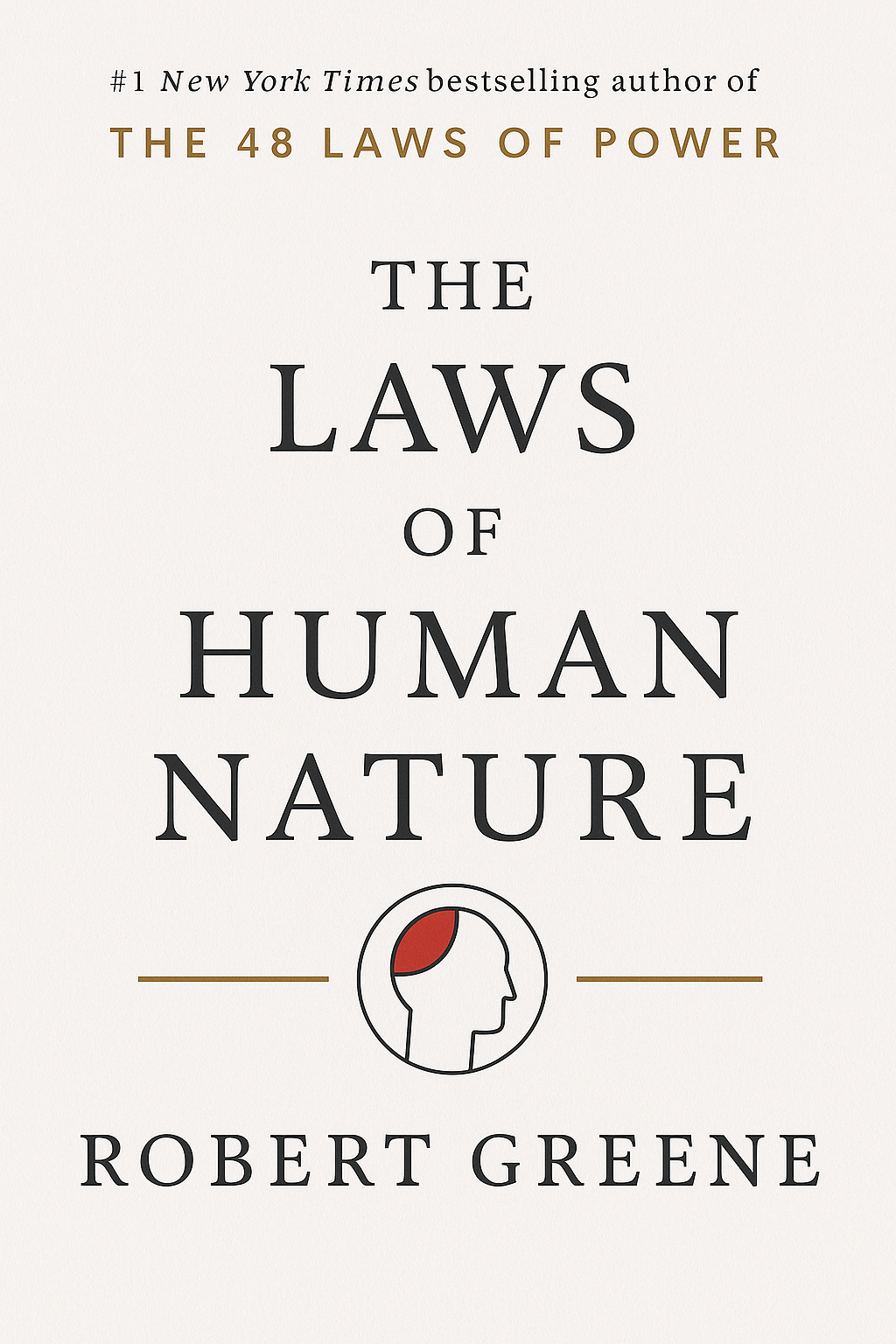
The Laws of Human Nature by Robert Greene
Unmasking Irrational Biases: Foundations of the Law of Irrationality
From Hidden Biases to Self-Love: Introducing the Law of Narcissism
The Inner Athena Awakens: From Narcissism to Empathy
The Second Language of Humanity: Decoding the Law of Role-Playing
Reading the Script: Determining Character Through Compulsive Behavior
Desire as a Weapon: The Law of Covetousness
The Art of Elusiveness and Long-Term Vision
Seeing the Horizon: Overcoming Shortsightedness
Defusing Defensiveness: The Law of Self-Opinion
The Influence Game and Overcoming Self-Sabotage
From Constricted to Expansive: Confronting Repression
The Shadow Within: Integrating the Hidden Self
The Poison of Comparison: Navigating the Law of Envy
Taming the Ego: The Law of Grandiosity
Practical Realism: Turning Grandiosity Into Greatness
The Fluid Self: Breaking Gender Rigidity
The Power of Purpose: The Law of Aimlessness
The Siren Call of the Crowd: Understanding Conformity
Resisting the Hive Mind: Strategic Individuality
Stability in Leadership: The Law of Fickleness
Strategic Channeling: The Law of Aggression
The Perspective of Time: Overcoming Generational Myopia
The Final Frontier: Embracing the Law of Death Denial

Transcript
Last time we explored how people wear masks to conceal insecurities, revealing themselves through behavioral leakage under stress. Now the author shifts to toxic character types you must recognize and avoid entirely. These patterns are compulsive, unchangeable, and will entangle you in destructive dynamics if you attempt to fix or help them. The Hyperperfectionist appears highly organized and competent but harbors deep insecurities that manifest as controlling behavior, harsh criticism, and impossible standards developed from childhood experiences of feeling judged. Their compulsive need for control stems from anxiety about chaos, leading them to micromanage subordinates, become paralyzed by uncertainty, and react with disproportionate anger when circumstances don't align with rigid plans. Their defensive persona of flawlessness makes them inflexible and ultimately destructive in leadership positions. The Relentless Rebel defines themselves purely through automatic resistance to any form of structure or convention, sabotaging their own success and alienating potential allies. Unlike authentic nonconformists who rebel for specific causes, these individuals oppose authority reflexively rather than from principle, stemming from childhood experiences of feeling controlled or dominated. Their compulsive contrarianism appears exciting initially but proves hollow and self-defeating over time. The Dramatis Personae transforms every situation into high drama with themselves at center stage, manufacturing crises and conflicts to maintain attention and emotional intensity. These individuals learned in childhood that emotional displays were the only way to receive recognition or exercise power. All toxic types share one crucial characteristic: their behaviors are compulsive and therefore unchangeable, making attempts to help them futile exercises that only deepen your entanglement. The author then introduces the Law of Covetousness, revealing a fundamental paradox: we are naturally drawn to what seems just beyond our reach while devaluing what comes too easily. This innate restlessness stems from evolutionary pressures where those who were never satisfied and constantly sought improvement had better survival odds, creating a perpetual cycle of wanting, acquiring, and losing interest once we possess something. Desire is not a rational process but an emotional one, heavily influenced by what we perceive others to value through triangular desire, where we don't desire objects directly but rather desire what we see others desiring. Historical figures like Gabriele D'Annunzio and Coco Chanel mastered this principle by understanding that constant availability kills desire while strategic absence intensifies it. D'Annunzio pursued women with overwhelming intensity then suddenly withdrew to create anxiety and longing; Chanel created scarcity and mystique around her brand by limiting access and maintaining an aura of exclusivity. Strategic withdrawal emerges as fundamental across romantic relationships, business negotiations, and social dynamics, requiring careful calibration since becoming too distant causes people to redirect their desire elsewhere. The underlying foundation for all these tactics must be genuine self-sufficiency and authentic value, not mere manipulation. Greene warns that neediness destroys desire because when you need validation from others, you unconsciously communicate lower value. The antidote involves developing a rich inner life, pursuing genuine passions, and building self-worth independent of external validation, creating authentic self-possession that naturally triggers covetousness because it cannot be faked.