The Second Language of Humanity: Decoding the Law of Role-Playing
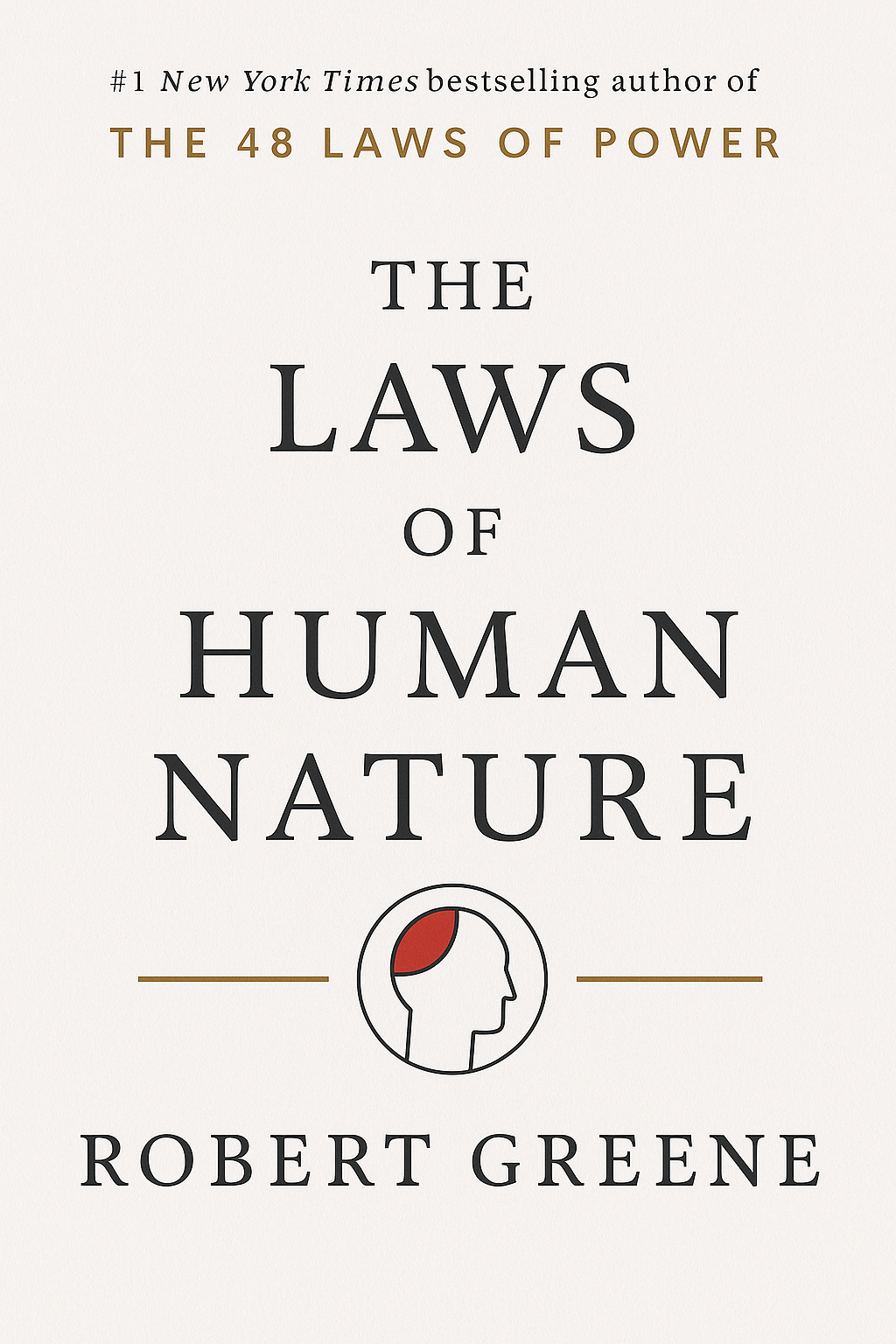
The Laws of Human Nature by Robert Greene
Unmasking Irrational Biases: Foundations of the Law of Irrationality
From Hidden Biases to Self-Love: Introducing the Law of Narcissism
The Inner Athena Awakens: From Narcissism to Empathy
The Second Language of Humanity: Decoding the Law of Role-Playing
Reading the Script: Determining Character Through Compulsive Behavior
Desire as a Weapon: The Law of Covetousness
The Art of Elusiveness and Long-Term Vision
Seeing the Horizon: Overcoming Shortsightedness
Defusing Defensiveness: The Law of Self-Opinion
The Influence Game and Overcoming Self-Sabotage
From Constricted to Expansive: Confronting Repression
The Shadow Within: Integrating the Hidden Self
The Poison of Comparison: Navigating the Law of Envy
Taming the Ego: The Law of Grandiosity
Practical Realism: Turning Grandiosity Into Greatness
The Fluid Self: Breaking Gender Rigidity
The Power of Purpose: The Law of Aimlessness
The Siren Call of the Crowd: Understanding Conformity
Resisting the Hive Mind: Strategic Individuality
Stability in Leadership: The Law of Fickleness
Strategic Channeling: The Law of Aggression
The Perspective of Time: Overcoming Generational Myopia
The Final Frontier: Embracing the Law of Death Denial

Transcript
SPEAKER_1: Alright, last time we talked about how desire works through scarcity and strategic withdrawal. Now the author pivots to something called the Law of Shortsightedness. But isn't that just saying people are impulsive? SPEAKER_2: It's more specific than that. The author argues most people operate within severely compressed time horizons—they focus on immediate results while failing to anticipate second-order effects and long-term consequences. It's not just impulsivity; it's a systematic failure of vision. SPEAKER_1: Okay, but how does someone actually fix that? The book can't just say 'think long-term' and call it a strategy. SPEAKER_2: That's why the author provides four interconnected strategies. First, cultivate historical perspective by studying recurring patterns across time. The Rothschild banking family used this during the Napoleonic Wars to anticipate financial opportunities others missed. SPEAKER_1: Historical patterns sound abstract. What's the second strategy? SPEAKER_2: Develop emotional detachment—what the author calls the 'Buddha stance.' It means observing situations objectively rather than reacting impulsively. John D. Rockefeller sacrificed short-term profits repeatedly to achieve long-term market dominance. SPEAKER_1: Wait, but doesn't that contradict the empathy stuff from earlier lectures? Now we're supposed to be detached? SPEAKER_2: Different contexts. Empathy is for understanding others; detachment is for decision-making about your own path. The third strategy extends time horizons consciously—thinking in years and decades, not days. The American Founding Fathers designed a constitution with this farsightedness, unlike the French Revolution's shortsighted chaos. SPEAKER_1: And the fourth strategy? SPEAKER_2: Consider multiple orders of consequences, not just immediate effects. The author identifies four traps: unintended consequences, tactical hell where you lose strategic direction, the allure of sudden success, and the fickleness of public opinion. SPEAKER_1: So what's the practical application for our listener? This sounds like a lot of theory. SPEAKER_2: Regular withdrawal from daily pressures for reflection, negative visualization borrowed from Stoic philosophy, and focusing on process goals rather than outcome goals. Lyndon Johnson had a decades-long plan to reach the presidency—that's the level of farsighted thinking the author advocates. SPEAKER_1: Now the book shifts to the Law of Defensiveness. Isn't this just about people not liking criticism? SPEAKER_2: It's deeper. The author explains that humans develop self-images early as coping mechanisms, and these become core to identity. Any threat triggers automatic defensive responses, making people stubborn regardless of how valid the criticism is. SPEAKER_1: So direct confrontation doesn't work. But what does? The book can't just say 'be nice.' SPEAKER_2: The key insight is you must first confirm people's self-opinion—validate who they believe they are. Only after establishing psychological safety can you gently guide them toward change. Milton Erickson used paradoxical techniques that accepted resistance, causing patients to lower defenses. SPEAKER_1: That sounds manipulative. How is that different from just lying to people? SPEAKER_2: Because it's about genuine observation, not flattery. Lyndon Johnson carefully studied individuals to identify their self-images—whether they saw themselves as intelligent, morally superior, victimized, or rebellious—then confirmed those images authentically. SPEAKER_1: What about someone who has a completely delusional self-image? Do you just validate that? SPEAKER_2: The author introduces 'strategic absence of judgment'—temporarily suspending your critical perspective to enter their worldview. Benjamin Disraeli succeeded with Queen Victoria by constantly confirming her self-image as a wise monarch. People can't be forced to change; they only change when they feel safe. SPEAKER_1: I'll admit, the framework connects shortsightedness and defensiveness in an interesting way. For our listener, the takeaway is that long-term thinking requires deliberate practice, not just good intentions. SPEAKER_2: Exactly. And for everyone reading along, these two laws work together—farsighted vision for personal development, understanding defensiveness for social effectiveness. The author's point is that mastering both transforms how someone navigates decisions and relationships.