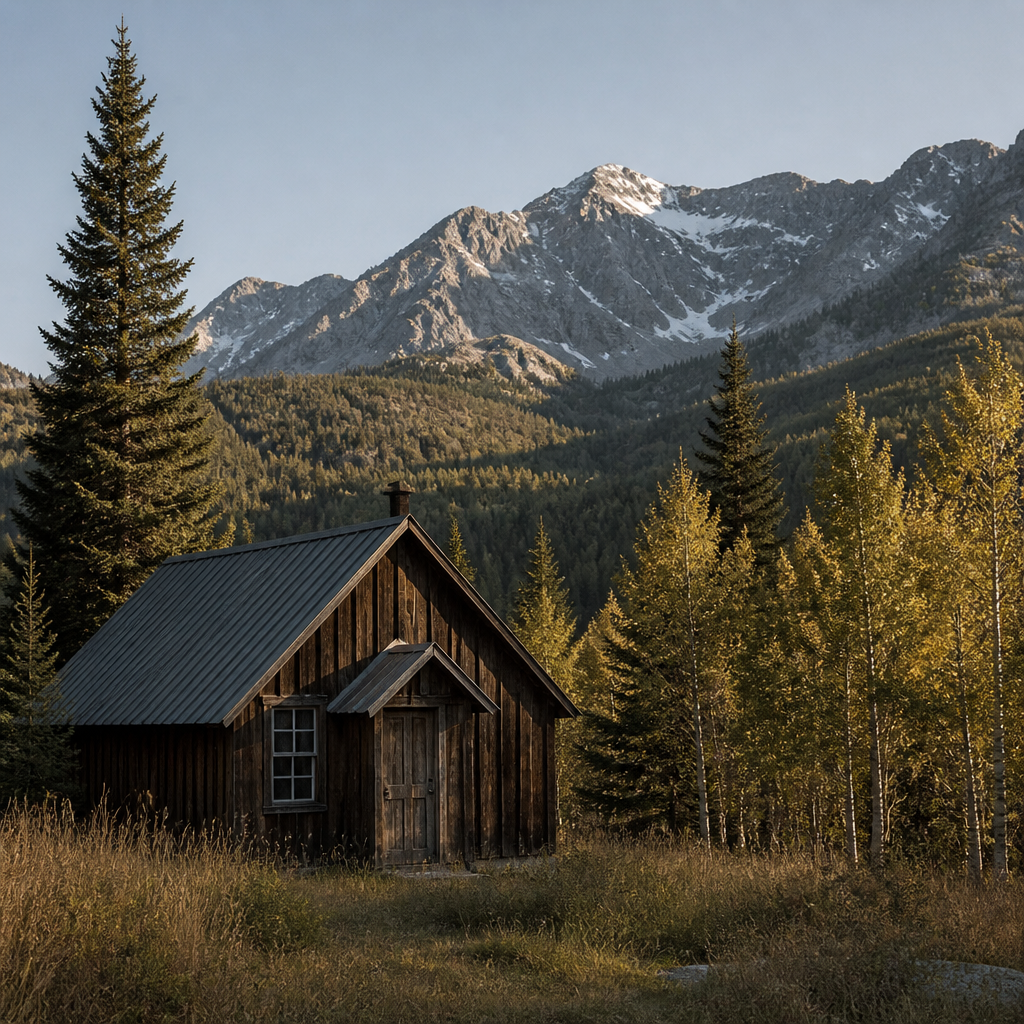
Start With the Real Goal: Affordable Cabin, Land, and Access
Where Colorado Cabins Still Fit $250K
Start With the Real Goal: Affordable Cabin, Land, and Access
Draw the Search Map: South of Denver Without Going Too Remote
Corridor One: Pueblo, Walsenburg, Trinidad, and the I-25 Spine
Corridor Two: Cañon City, Florence, Penrose, and Foothill Living
Corridor Three: Westcliffe, Silver Cliff, La Veta, and Rural Acreage Dreams
Do Not Ignore the Border Strategy: Raton, Trinidad, and Nearby Alternatives
Finding Cabin-Specialist Realtors Without Guessing
The First Call Script: Questions to Ask a Rural Realtor
How to Read a Cabin Listing Like an Inspector
The Budget Reality Check: Purchase Price Is Not the Whole Cost
Selling the Raton House Before You Buy: Timing, Inventory, and Leverage
Your 30-Day Action Plan for an Affordable Cabin Search

Transcript
SPEAKER_1: Alright, so we talked last time about the general idea of moving up into Colorado — and the big takeaway was that northern Colorado is just priced out of reach for most buyers at the $250,000 level. So now the question is: where do we actually look? SPEAKER_2: Right, and that's exactly where I want to start. Because before anyone pulls up a map or calls an agent, they need to get really clear on what they're actually shopping for. Not a dream — a definition. SPEAKER_1: What do you mean by a definition? SPEAKER_2: Think of it as three filters that have to pass simultaneously. Budget ceiling, minimum acreage, and maximum drive time to a supply hub. If a listing fails any one of those three, it's out — no matter how good the photos look. SPEAKER_1: So walk me through each one. Start with budget. SPEAKER_2: The hard ceiling is $250,000. $250,000 as the screen. Now, here's the thing — in southern Colorado, there are currently dozens of cabin listings with land, but the average asking prices run well above that number. So a sub-$250,000 buyer is already looking at the lower end of the market, which usually means smaller structures, older condition, or less in-demand locations. SPEAKER_1: Mm-hmm. And acreage? SPEAKER_2: Minimum one acre. But — and this matters — one acre on paper can still fail the practical test. If that acre is mostly steep slope, or it's landlocked with no legal road access, or the well is marginal, it doesn't function like a usable acre. So the filter is really: one acre of workable land with confirmed access. SPEAKER_1: That's a good distinction. What about drive time? SPEAKER_2: One to one-and-a-half hours from a real supply hub. We're talking a city with a grocery store, a hardware store, a pharmacy, maybe a hospital. The reason that matters isn't just convenience — it's winter. A cabin that's ninety minutes from town in good weather might be much harder to reach in winter conditions. SPEAKER_1: So what daily-life needs should someone actually be thinking about when they set that drive-time limit? SPEAKER_2: Medical care is the big one most people underestimate. Then fuel, propane or heating supply, building materials for repairs, and internet — because a lot of people working remotely need that. For example, a property west of Pueblo or near Cañon City can check most of those boxes while still being genuinely rural. SPEAKER_1: Now here's what I keep coming back to. Why would the cheapest cabin listing actually be the worst financial choice? SPEAKER_2: [inhale] Because the purchase price is only the beginning. If the well needs replacement, that can become a major repair cost. A failing septic system is another $10,000 to $20,000. A private road that washes out can add ongoing maintenance costs. SPEAKER_1: Wait — so the access road is actually a pricing factor built into the listing? SPEAKER_2: Absolutely. Properties ten to thirty minutes from town with good road access and southern exposure — meaning less snow accumulation — command higher prices. The more remote and harder to reach, the lower the sticker price, but the higher the hidden cost. That's the trade-off our listener needs to internalize before they ever call an agent. SPEAKER_1: So what does a practical pass-or-reject checklist look like for screening listings? SPEAKER_2: is the asking price at or below $250,000? Two: does the property have at least one acre of usable, accessible land? Three: is it within ninety minutes of a supply city? Four: are the well, septic, and road access documented and functional — or is the buyer inheriting unknown repair costs? If any answer is no or unknown, the listing goes to a secondary pile, not the active pile. SPEAKER_1: The key idea there is that 'unknown' is the same as 'no' until proven otherwise. SPEAKER_2: Exactly. And remember — the goal isn't to find the most scenic cabin. It's to find a property that supports year-round living without financial surprises. A dream cabin that drains the budget in year one isn't a dream. Now, once those three filters are locked in, the search needs a map — specific counties, specific corridors — and that's exactly where we're headed next.