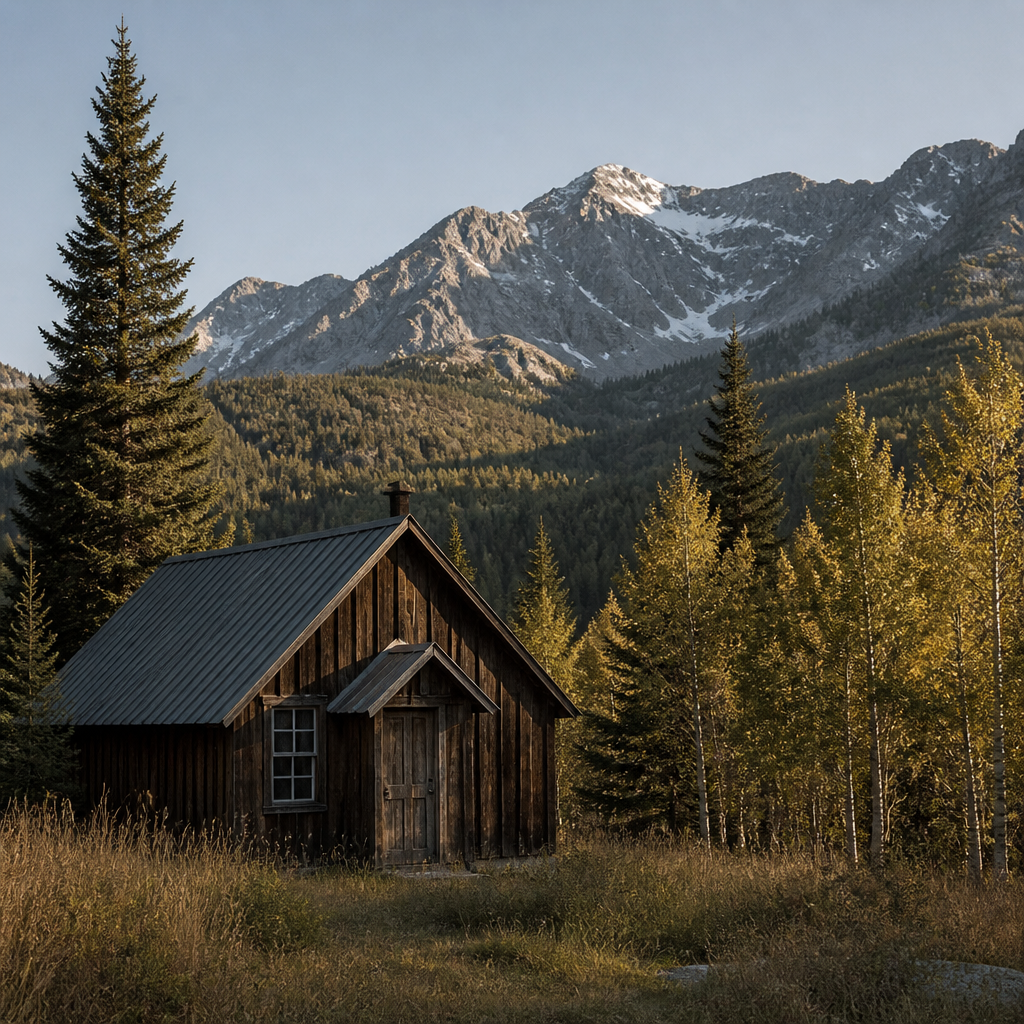
Corridor Two: Cañon City, Florence, Penrose, and Foothill Living
Where Colorado Cabins Still Fit $250K
Start With the Real Goal: Affordable Cabin, Land, and Access
Draw the Search Map: South of Denver Without Going Too Remote
Corridor One: Pueblo, Walsenburg, Trinidad, and the I-25 Spine
Corridor Two: Cañon City, Florence, Penrose, and Foothill Living
Corridor Three: Westcliffe, Silver Cliff, La Veta, and Rural Acreage Dreams
Do Not Ignore the Border Strategy: Raton, Trinidad, and Nearby Alternatives
Finding Cabin-Specialist Realtors Without Guessing
The First Call Script: Questions to Ask a Rural Realtor
How to Read a Cabin Listing Like an Inspector
The Budget Reality Check: Purchase Price Is Not the Whole Cost
Selling the Raton House Before You Buy: Timing, Inventory, and Leverage
Your 30-Day Action Plan for an Affordable Cabin Search

Transcript
SPEAKER_1: Alright, so last time we mapped the I-25 spine — Trinidad, Walsenburg, Pueblo — and the big insight was that Pueblo is genuinely a buyer's market right now. Today, let's explore the lifestyle and community aspects of Cañon City, Florence, and Penrose. SPEAKER_2: Good pivot. This corridor offers a unique lifestyle with its foothill charm. The Arkansas River runs through, offering recreational opportunities like fishing and rafting, and the red rock terrain provides stunning hiking trails. SPEAKER_1: What community events and amenities make these towns appealing? SPEAKER_2: These towns host various community events, from local farmers' markets to annual festivals, fostering a strong sense of community. Amenities like local cafes, art galleries, and parks add to the charm. SPEAKER_1: Mm-hmm. And what about the local amenities? SPEAKER_2: Right — local amenities include a variety of dining options, boutique shops, and community centers that cater to diverse interests. SPEAKER_1: Wait — what recreational activities are available in these areas? SPEAKER_2: There's plenty to do. From hiking and biking trails to river rafting and fishing, the area offers a plethora of outdoor activities for nature enthusiasts. SPEAKER_1: So the foothill tradeoff chart — how does someone actually use that to compare these three towns? SPEAKER_2: price fit, acreage, supply access, and cabin feel. Cañon City scores well on supply access — it's roughly 45 to 60 minutes from Colorado Springs, which is a real city with hospitals, hardware stores, everything. Florence and Penrose are smaller and sit even closer to Cañon City itself, so they inherit that access advantage. SPEAKER_1: And on price fit and acreage? SPEAKER_2: That's where the rural pockets around these towns matter more than the towns themselves. For example, properties a few miles outside Florence or Penrose — older homes on larger lots — can come closer to the $250,000 range than anything inside Cañon City proper. The median year built in the area is around 1979, so the housing stock skews older, which means more rustic character but also more inspection risk. SPEAKER_1: [short pause] That inspection risk piece — what specifically should be on the radar for older foothill homes? SPEAKER_2: Well and septic first, same as any rural property. But with 1970s-era construction, add roof condition, electrical panels — a lot of those homes still have older wiring — and insulation. Energy efficiency matters when heating costs are real. And then road quality. A property that's two miles off pavement on a dirt road might be fine in August and genuinely difficult in February. SPEAKER_1: So the advertised drive time to Colorado Springs isn't the whole story. SPEAKER_2: Not even close. The key idea is that drive time has to be verified property by property, in winter conditions. A listing might say forty-five minutes to Colorado Springs, but if the last mile is an unmaintained private road, that number changes completely when there's snow on the ground. SPEAKER_1: Here's the counterintuitive part I want to make sure listeners understand. Why would a less dramatic foothill town beat a famous mountain town for this kind of search? SPEAKER_2: Because famous mountain towns price the scenery. Salida, Buena Vista, Crested Butte — those names carry a premium. Cañon City doesn't have that brand cachet, which is exactly why the numbers are lower. One source notes Cañon City's median was around $425,000 in early 2025 compared with over $600,000 statewide. The discount is real. And the property tax rate is around 0.41%, which is low for Colorado — that matters for long-term affordability. SPEAKER_1: use the four-column chart, verify access in winter conditions, and don't let listing photos substitute for an actual inspection checklist. SPEAKER_2: Exactly. And remember — Cañon City, Florence, and Penrose are examples to research, not guaranteed inventory at $250,000. The market has softened, there are distressed properties and price reductions in the mix, but the search still requires discipline. Now, from here the next step is moving further into the mountain valleys — places like Westcliffe — where the cabin feel intensifies but so do the access trade-offs.