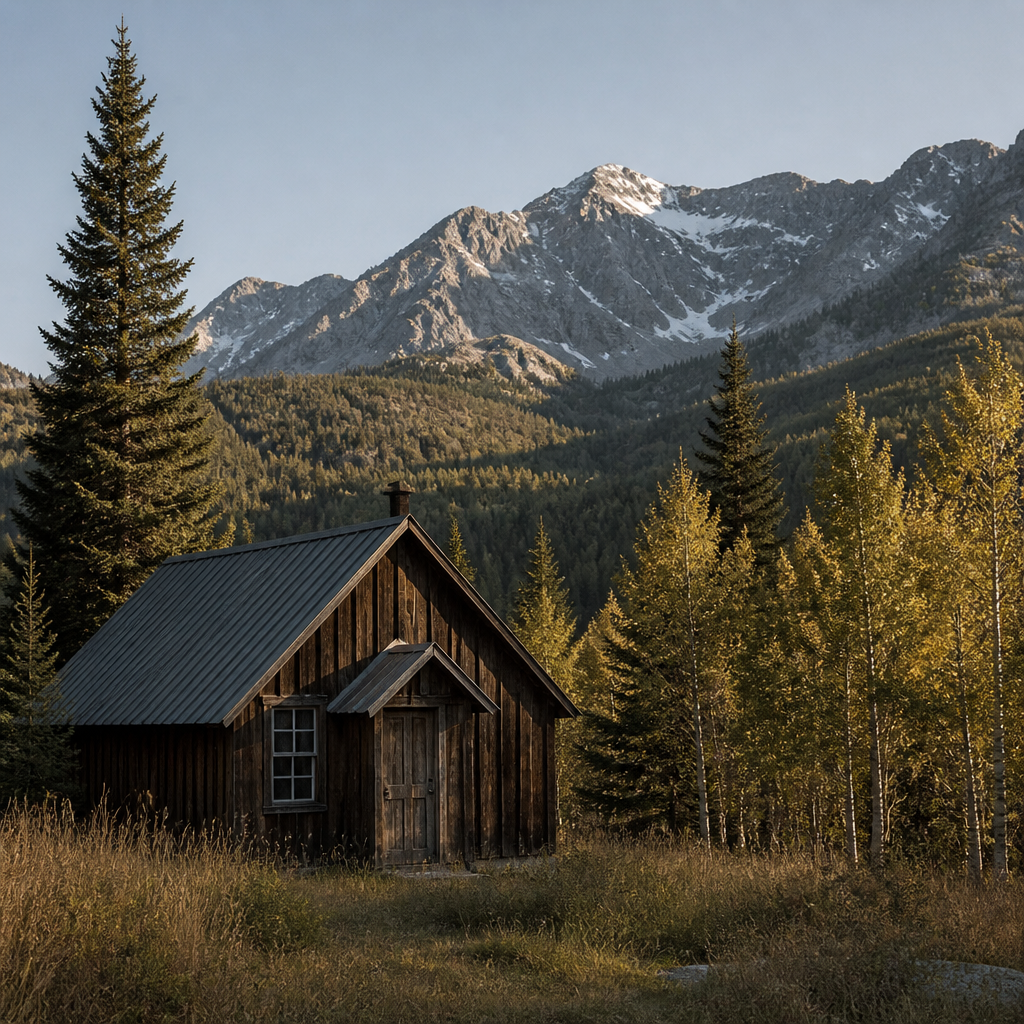
The First Call Script: Questions to Ask a Rural Realtor
Where Colorado Cabins Still Fit $250K
Start With the Real Goal: Affordable Cabin, Land, and Access
Draw the Search Map: South of Denver Without Going Too Remote
Corridor One: Pueblo, Walsenburg, Trinidad, and the I-25 Spine
Corridor Two: Cañon City, Florence, Penrose, and Foothill Living
Corridor Three: Westcliffe, Silver Cliff, La Veta, and Rural Acreage Dreams
Do Not Ignore the Border Strategy: Raton, Trinidad, and Nearby Alternatives
Finding Cabin-Specialist Realtors Without Guessing
The First Call Script: Questions to Ask a Rural Realtor
How to Read a Cabin Listing Like an Inspector
The Budget Reality Check: Purchase Price Is Not the Whole Cost
Selling the Raton House Before You Buy: Timing, Inventory, and Leverage
Your 30-Day Action Plan for an Affordable Cabin Search

Transcript
SPEAKER_1: Alright, so last time we discussed selecting a cabin-specialist agent. Now, let's focus on the practical application of the first call script — practicing what to ask and how to interpret the responses. SPEAKER_2: Good instinct. Let's simulate the call. Pretend I'm an agent in Cañon City. Start by asking about recent transactions: 'Have you closed any deals in this price range with acreage in the last twelve months?' SPEAKER_2: This question serves multiple purposes: it clarifies your budget, specifies the acreage, and seeks evidence of experience. An agent's hesitation or deflection can be telling. SPEAKER_1: Right. What's the next critical question to ask? SPEAKER_2: Road access is crucial. Inquire about legal, recorded access and specifics like whether it's deeded, easement-based, or shared. This question can reveal potential hidden issues. SPEAKER_1: Mm-hmm. And water? SPEAKER_2: what water source serves the property — private well, shared well, public water, hauled water, spring? Second: are there well logs, flow tests, water-quality results, or shared-well agreements on file? A good agent should know which of those documents exist before the buyer drives out. SPEAKER_1: Wait — so 'there's a well' is not a complete answer. SPEAKER_2: Not even close. Depth, yield, water quality, and whether it's shared — those are four separate facts. Imagine a parcel where the listing says 'well on property' but the flow rate is marginal for year-round household use. That's a deal-breaker hiding inside a bullet point. SPEAKER_1: What about septic and utilities? SPEAKER_2: Ask when the septic was last inspected or pumped, and whether records show age, repairs, or approved capacity. Then ask about utilities — are power, gas, and internet already available, or what's the likely cost and distance to extend them? And here's the less obvious one: ask whether internet service is actually confirmed at that specific parcel address, not just in the general area. Cell coverage maps are optimistic. SPEAKER_1: [short pause] That internet question — I wouldn't have thought to separate 'area coverage' from 'parcel coverage.' SPEAKER_2: Most people don't. And for someone working remotely or needing telehealth, that gap is the difference between a functional property and an expensive mistake. Now, the next cluster is about risk — zoning, permits, and encumbrances. SPEAKER_1: So what's the right way to ask about zoning without sounding like a checklist? SPEAKER_2: Ask whether the parcel is zoned for the intended use — cabin, primary residence, animals, outbuildings — and whether any deed restrictions, HOA covenants, or subdivision limits apply. Then ask whether permits exist for any improvements already on the property. Unpermitted decks, barns, or septic work can become the buyer's legal problem at closing. SPEAKER_1: And title — because water rights and mineral rights can be severed from the surface. SPEAKER_2: Exactly. Ask whether title is clear and whether easements, liens, mineral rights, or water rights affect the sale. Also ask whether the land has any agricultural, conservation, or utility encumbrances that could limit development or resale. The key idea is that a clean-looking listing can carry invisible strings. SPEAKER_1: So not X, but Y — not 'is there a title issue' but 'what specific rights have been severed or encumbered.' SPEAKER_2: Right. And then close the call with two financing questions. Ask whether a buyer can realistically finance this property type — rural acreage and cabin properties can require different loan products than a standard home. And ask whether a local lender or title company has reviewed this parcel before, because some rural counties have closing quirks that a Denver-based lender won't anticipate. SPEAKER_1: So after that call — how does our listener actually decide whether to keep the agent or move on? SPEAKER_2: did the agent answer with specifics, or did they deflect to 'we'll figure that out when we get there'? Two: did they volunteer information — like flagging a known road issue before being asked? Three: did they push back on the budget honestly, or just say 'sure, we can find something'? SPEAKER_1: run this script before touring anything. Because a bad agent costs more than a bad listing — at least a bad listing can be walked away from. SPEAKER_2: That's exactly it. And remember — the call is also a preview of how the agent handles pressure. Now, once the right agent is identified, the next challenge is the property itself: how to tell a cabin that photographs beautifully from one that's going to drain the budget before winter is over.