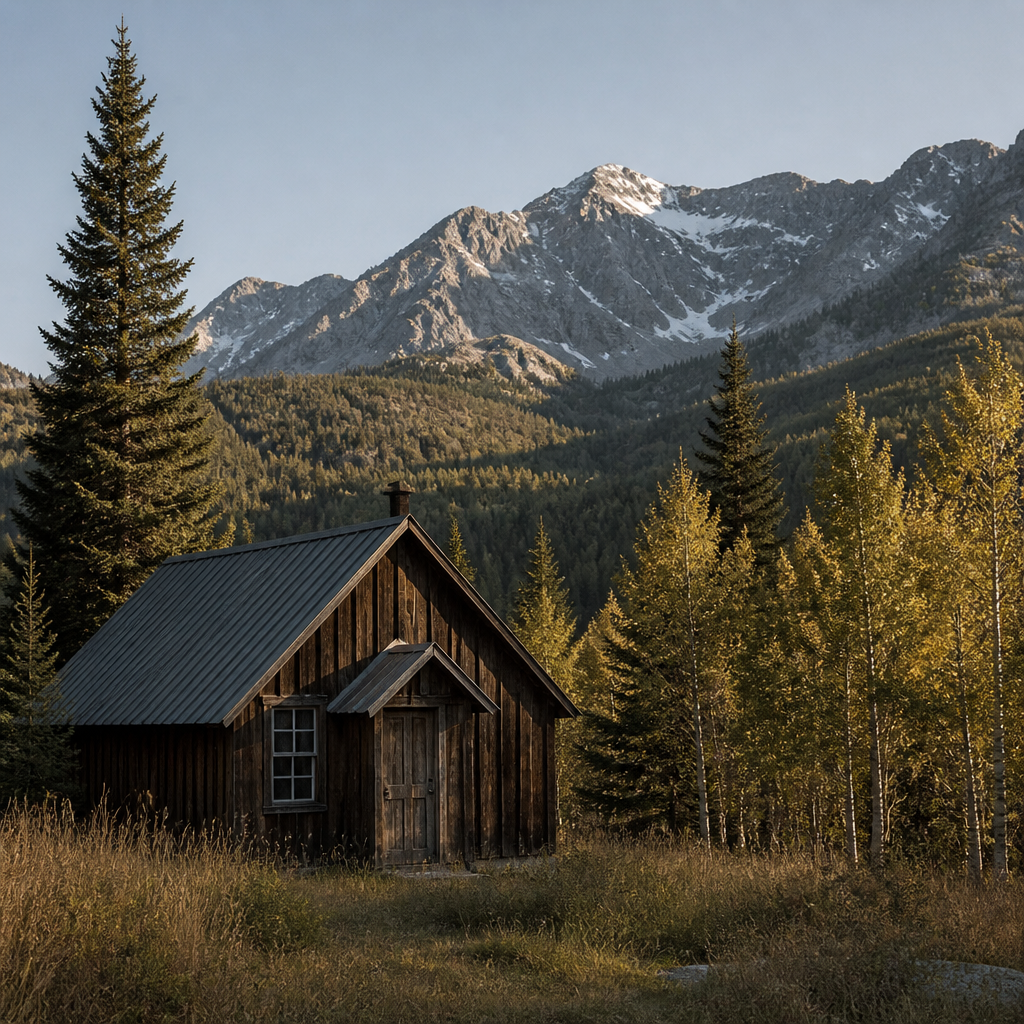
Start With the Real Goal: Affordable Cabin, Land, and Access
Draw the Search Map: South of Denver Without Going Too Remote
Corridor One: Pueblo, Walsenburg, Trinidad, and the I-25 Spine
Corridor Two: Cañon City, Florence, Penrose, and Foothill Living
Corridor Three: Westcliffe, Silver Cliff, La Veta, and Rural Acreage Dreams
Do Not Ignore the Border Strategy: Raton, Trinidad, and Nearby Alternatives
Finding Cabin-Specialist Realtors Without Guessing
The First Call Script: Questions to Ask a Rural Realtor
How to Read a Cabin Listing Like an Inspector
The Budget Reality Check: Purchase Price Is Not the Whole Cost
Selling the Raton House Before You Buy: Timing, Inventory, and Leverage
Your 30-Day Action Plan for an Affordable Cabin Search

Transcript
SPEAKER_1: Alright, so finding the right town is just part of the job. The next crucial step is selecting the right agent, especially when looking for a cabin or acreage property. SPEAKER_2: Right. And the other half is the agent. A cabin or acreage purchase requires specialized knowledge that a general residential agent might lack, potentially costing the buyer. SPEAKER_1: So what actually separates a cabin-specialist from a regular agent? Many agents claim to sell homes in the area, but not all have the necessary expertise. SPEAKER_2: That's the issue. Saying 'I sell homes in the area' doesn't equate to handling land purchases or understanding the unique logistics of rural properties. These are specialized skills. SPEAKER_1: Mm-hmm. So what's the actual screen? How does someone test for that before committing to an agent? SPEAKER_2: Five proof points: recent rural closings, specific acreage experience, well and septic knowledge, local road knowledge, and willingness to preview properties before a long buyer drive. SPEAKER_1: Wait — that last one. Preview before the buyer drives out? SPEAKER_2: if a buyer is driving a long distance to look at a cabin or rural home, that's a real trip. A good rural agent should help screen the property before that long drive — flag obvious access, logistics, or transaction issues before anyone wastes a day. An agent who won't do that is telling you something about how they work. SPEAKER_1: So what search terms should someone actually look for when reading agent bios or listing histories? SPEAKER_2: Terms like 'acreage,' 'rural properties,' 'cabin properties,' 'land transactions,' or 'properties outside city limits.' And ask for recent examples — not just a bio. If the recent examples are mostly standard residential homes in town, the bio is marketing, not evidence. SPEAKER_1: [short pause] And here's the counterintuitive part — a friendly local agent can still be the wrong agent. SPEAKER_2: Absolutely. Friendly and local is a starting point, not a qualification. For example, an agent who's been selling homes in Canon City for ten years might know the neighborhoods perfectly but have zero experience with a land contract or a property that includes water rights. Those are different documents, different due diligence, different forms entirely. SPEAKER_1: Right — and Colorado actually has a separate contract form for land purchases, not just the standard residential one. SPEAKER_2: Exactly. Colorado's forms library includes a Contract to Buy and Sell Real Estate for Land, which applies when acreage is the primary asset. A cabin-focused agent needs to know which form fits which property — and be comfortable using both. That's a practical test right there: ask the agent which contract they'd use for a five-acre parcel with a cabin on it. SPEAKER_1: Now, before anyone even tours a property with an agent in Colorado, there's a legal step that most buyers don't know about. SPEAKER_2: The written buyer agreement. Colorado requires a signed agreement before an agent takes a buyer on a tour — in person or live virtual. The standard form many brokers use is the Exclusive Right to Buy Listing Contract. And the key idea here is that the agreement's term, scope, and compensation terms are all negotiable before signing. SPEAKER_1: So scope matters — someone shouldn't sign a broad statewide commitment when they're searching one specific region. SPEAKER_2: Right. The agreement can be written to cover a specific geographic area or property type rather than everything everywhere. And compensation has to be stated clearly in the agreement — it's not assumed, and it's not fixed by law or by the MLS. Our listener should also confirm whether the agent is acting as a buyer's agent or a transaction-broker, because those roles carry different legal duties. SPEAKER_1: compare several agents, not just an early one who claims cabin expertise. And run the five-proof screen before signing anything. SPEAKER_2: That's it. Recent rural closings, acreage experience, well and septic knowledge, local road knowledge, and willingness to preview. If an agent can't answer those five with specifics, keep looking. Now — once someone finds a candidate agent, the next step is knowing exactly what to ask them before touring a single remote property. That's where we're headed next.