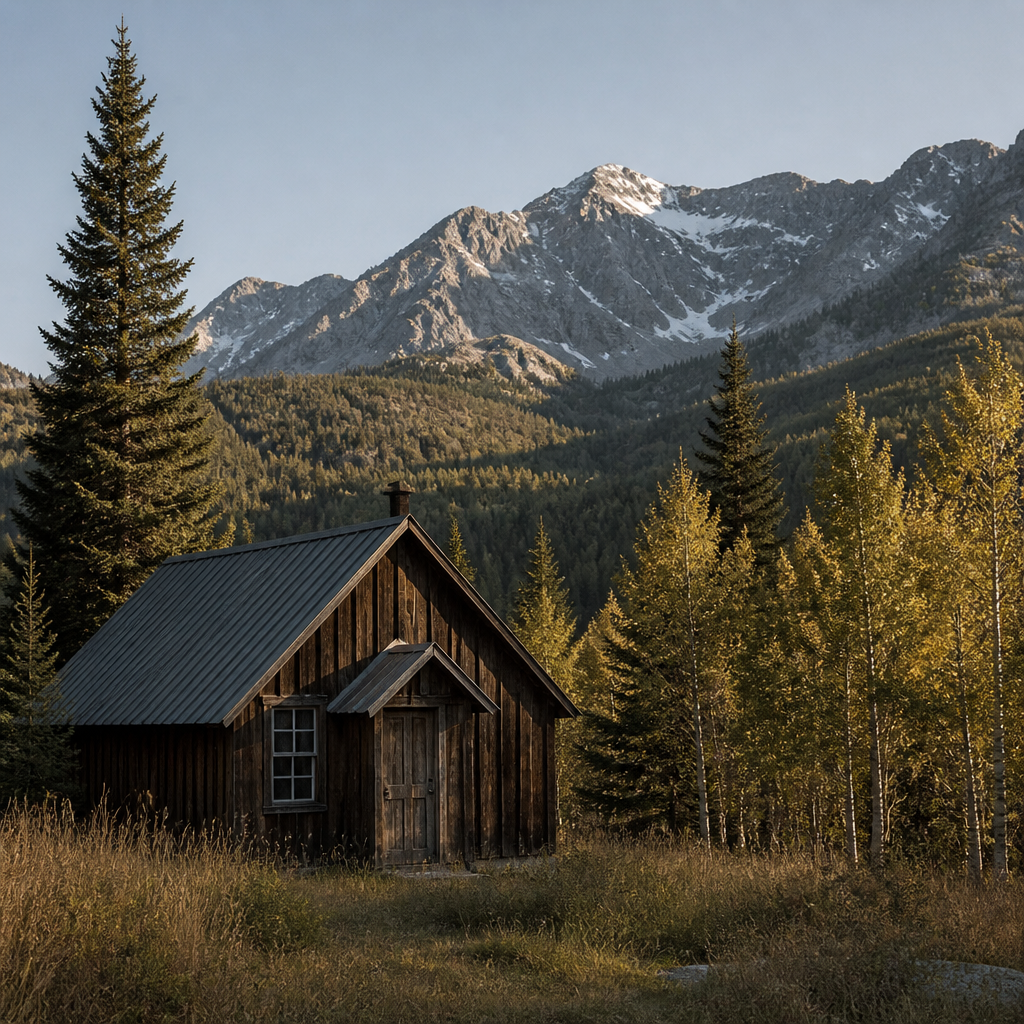
Corridor Three: Westcliffe, Silver Cliff, La Veta, and Rural Acreage Dreams
Where Colorado Cabins Still Fit $250K
Start With the Real Goal: Affordable Cabin, Land, and Access
Draw the Search Map: South of Denver Without Going Too Remote
Corridor One: Pueblo, Walsenburg, Trinidad, and the I-25 Spine
Corridor Two: Cañon City, Florence, Penrose, and Foothill Living
Corridor Three: Westcliffe, Silver Cliff, La Veta, and Rural Acreage Dreams
Do Not Ignore the Border Strategy: Raton, Trinidad, and Nearby Alternatives
Finding Cabin-Specialist Realtors Without Guessing
The First Call Script: Questions to Ask a Rural Realtor
How to Read a Cabin Listing Like an Inspector
The Budget Reality Check: Purchase Price Is Not the Whole Cost
Selling the Raton House Before You Buy: Timing, Inventory, and Leverage
Your 30-Day Action Plan for an Affordable Cabin Search

Transcript
SPEAKER_1: Today, let's delve into the specific challenges and opportunities of purchasing property in the mountain valleys of Westcliffe, Silver Cliff, and La Veta. These areas offer unique environmental and logistical considerations. SPEAKER_2: These areas are indeed picturesque, but they come with unique challenges such as fire risk, water access, and internet connectivity. For a $250,000 budget, these factors can significantly impact the overall cost. SPEAKER_1: Let's explore what $250,000 can realistically achieve in these mountain valleys. SPEAKER_2: In Westcliffe and Silver Cliff, $250,000 is often the entry point for existing cabins. However, the unique characteristics of the land, such as buildability and environmental factors, play a crucial role in determining value. SPEAKER_1: If an improved cabin is out of reach, what are the alternatives considering the unique land characteristics? SPEAKER_2: Raw land is an option, with parcels ranging from $40,000 to $90,000. However, potential buyers must consider factors like water access and fire risk, which are crucial in these areas. SPEAKER_1: Buying land and building later involves significant considerations like construction financing, permits, and essential utilities, which are particularly challenging in these mountain valleys. SPEAKER_2: Exactly. And that's why everyone needs to run a hidden-cost checklist before falling in love with a parcel. Six categories: water source, septic status, road maintenance, winter access, fire risk and insurance, and internet or cell service. Miss any one and the math falls apart. SPEAKER_1: Walk through the water question. Because 'well' sounds simple but it isn't. SPEAKER_2: does a well already exist, what's the depth and yield, is there a current water test on file, and is it a domestic or shared system? Think of the Coleman Ranch Road listings near Westcliffe — those parcels include irrigation water rights and eligibility for a domestic well serving a home, livestock, and up to an acre of garden. That's documented capability. Other parcels may not have a well in place, so water access has to be treated as a major due-diligence and budget item. SPEAKER_1: And septic? SPEAKER_2: A failing or absent septic system is a $10,000 to $20,000 repair before anyone moves in. The 2025 Wet Mountain Valley guide explicitly flags septic status as a due-diligence item alongside buildability, zoning, and fire-mitigation plans. Some larger ranch properties in the corridor come with systems already in place — but those are the exception at lower price points. SPEAKER_1: [short pause] What about fire risk? Insurance in rural Colorado has gotten genuinely difficult. SPEAKER_2: Two-part check. One part is verifying whether there is a fire-mitigation plan for the parcel. Second, call two or three insurers before making an offer — not after. Some mountain-valley properties sit in high-risk zones where standard homeowner's insurance is either unavailable or priced so high it changes the monthly cost picture entirely. SPEAKER_1: So a beautiful south-facing view can actually signal elevated fire exposure, not just good solar access. SPEAKER_2: Sometimes, yes. And the same logic applies to internet. If our listener needs reliable connectivity — remote work, telehealth, anything — they need to run a coverage check on that specific address before closing. Cell maps are optimistic. Verify at the property, not at the nearest town. SPEAKER_1: Now, La Veta came up as another option in this corridor. How does it compare to Westcliffe on price? SPEAKER_2: La Veta skews higher per acre. LandSearch shows an average of about $27,296 per acre across listed properties there, driven by larger ranch tracts. But there are exceptions — a three-acre Raspberry Mountain Ranch lot listed at $150,000, and a 5.42-acre agricultural parcel on Highway 160 priced at $92,800. Sub-$100,000 land exists, but it's not the dominant inventory. SPEAKER_1: And Silver Cliff — is that meaningfully cheaper than Westcliffe? SPEAKER_2: It is. AreaVibes puts Silver Cliff's housing index at 76 versus 134 statewide. Westcliffe comes in at 98. Both sit below Colorado's overall cost-of-living index of 111. For someone watching every dollar, that gap matters in everyday living costs, not just the purchase price. SPEAKER_1: this corridor has real inventory — Homes.com shows 144 parcels for sale around Westcliffe alone — but the purchase price is only the starting point. Water, septic, road, fire, and internet all have to be verified before the number makes sense. SPEAKER_2: That's exactly it. And remember — named subdivisions like Bull Domingo, Blumenau, and Antelope Valley around Westcliffe command premium pricing for good reason: southern exposure, modest slopes, confirmed access. The cheaper parcels are cheaper for a reason. Now, if Colorado prices in this corridor still don't cooperate, there's another direction worth considering — what's just across the state line, closer to where Steve is already standing.