140 min • 10 lectures
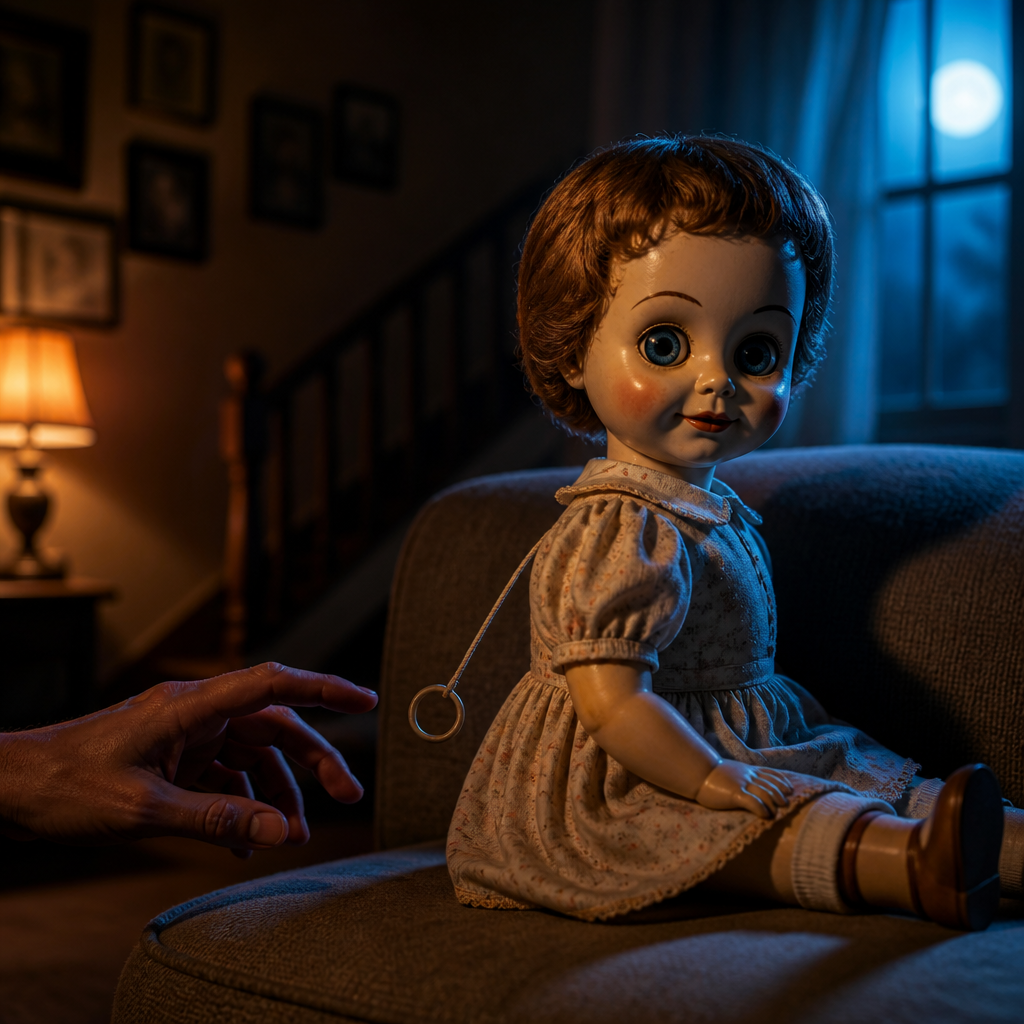
This course analyzes the 1963 Twilight Zone episode “Living Doll,” focusing on Talky Tina as a symbol of domestic judgment rather than a mere horror gimmick. The curriculum examines the central conflict between Erich Streator, an abusive stepfather driven by a need for control, and a child’s toy that becomes the one thing he cannot dominate. We look at how the story uses a simple impossible event to reveal the moral and psychological rot already present within the family. Key topics include the mechanics of suspense, the psychology of domestic violence, and the way ordinary household objects can transform into uncanny witnesses of human cruelty. The series further investigates the craft of Charles Beaumont and the specific audio techniques that create a sense of intimate dread. We break down the performance of the doll’s voice, explaining how repetition and a calm tone turn a toy’s identity into a lethal accusation. The analysis covers narrative ambiguity, questioning whether the doll serves as a supernatural avenger or a manifestation of a child's buried anger. Finally, the course traces Talky Tina’s influence on the haunted-doll tradition in popular culture. By the end, listeners will understand how the story functions as a compact moral parable where the powerless find a voice to execute a final, necessary justice.
The Doll That Judges
Why a Doll? The Uncanny Toy
The Pressure Chamber Plot
Erich at the Center of the Trap
Suburbia in Shadow
The Voice That Repeats
Monster, Protector, or Symptom?
Before Chucky: Tina's Horror Lineage
The System Turns Back
How Fear Hides in Plain Sight

