The Institutionalization of Faith
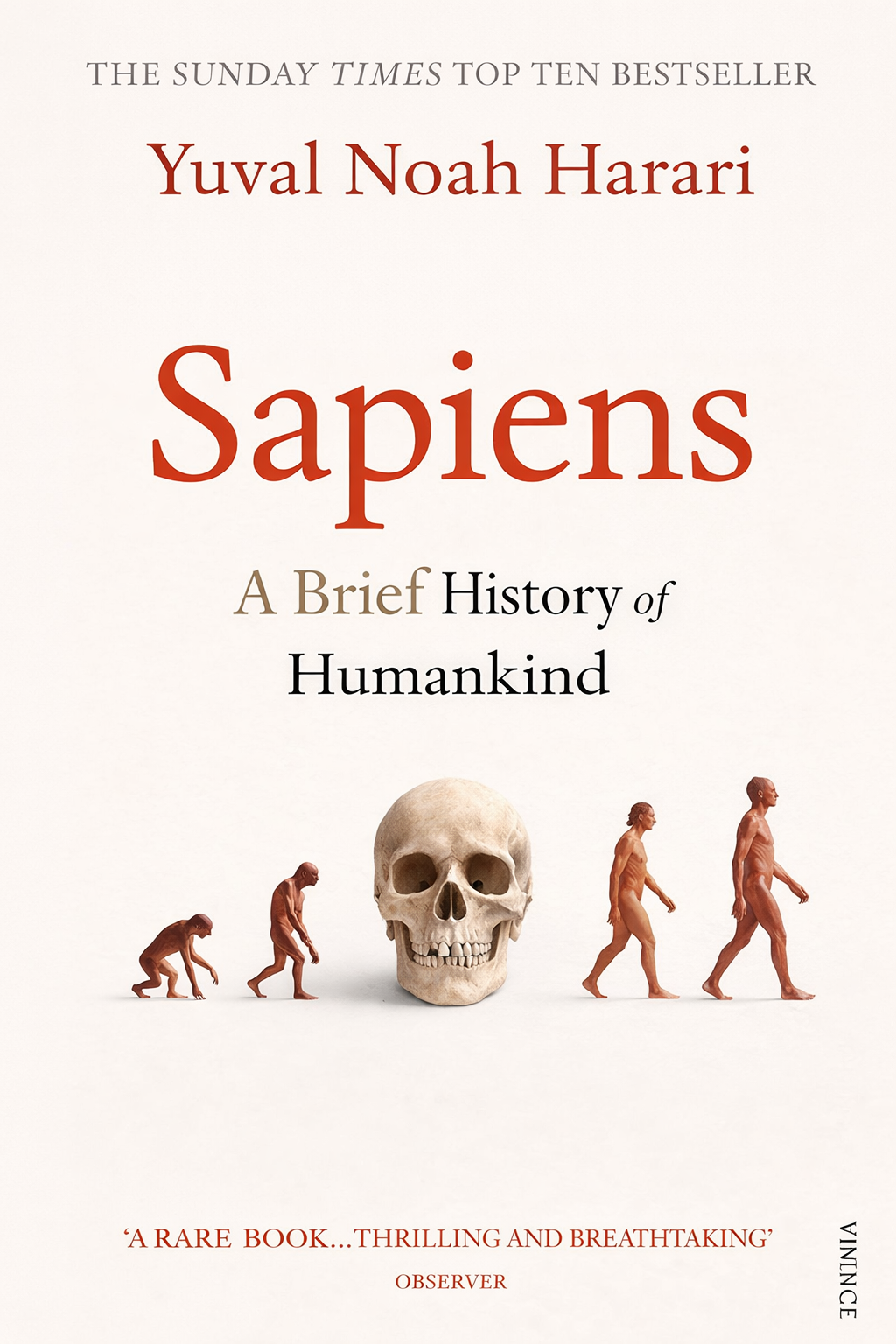
Sapiens: A Brief History of Humankind by Yuval Noah Harari
From Irrelevance to Dominance
The Birth of Shared Myths
Extending the Tree of Knowledge
Everyday Life of the First Humans
The Flood Narrative
History’s Biggest Fraud
Monuments of Power
The Brain’s Burden of Information
Outsourcing Human Memory
Injustice in the Past
The Arrow of History
The Scent of Money
Imperial Visions
Foundations of the Law of Religion
The Institutionalization of Faith
The Secret of Success
The Discovery of Ignorance
Science Meets Empire
The Capitalist Creed
The Wheels of Industry
A Permanent Revolution
Utopian Dreams and Dark Realities
The End of Homo Sapiens

Transcript
Last time we explored how religious law grounded human rules in superhuman authority, creating stable social orders through claims of divine origin that made laws resistant to modification while developing sophisticated interpretive traditions to navigate changing circumstances. Now we examine how religions transformed from loose spiritual movements into powerful institutions with hierarchies, bureaucracies, and economic systems that shaped civilizations for millennia. The institutionalization of faith occurred when spiritual teachings became formalized organizations with professional clergy, standardized doctrines, and material assets including land, temples, and treasuries. Early Christianity exemplifies this transformation: what began as a persecuted sect of Jewish reformers became the Roman Empire's official religion by 380 CE, acquiring vast wealth, political influence, and administrative structures rivaling the state itself. The author argues this shift fundamentally altered religion's nature, converting personal spiritual experience into collective institutional power that could mobilize millions. Religious institutions developed sophisticated mechanisms for maintaining authority across generations through theological seminaries training clergy in orthodox interpretations, councils and synods establishing canonical texts and official doctrines, and excommunication powers enforcing conformity by threatening spiritual salvation. The Catholic Church perfected this model, creating a transnational organization that survived the Western Roman Empire's collapse and became medieval Europe's most powerful institution, collecting tithes, owning perhaps one-third of European land, and wielding authority over kings through threats of interdict or excommunication. The economic dimension of institutionalized religion proved crucial because temples, monasteries, and churches became major landowners and employers, generating revenue through tithes, donations, pilgrimage fees, and agricultural production from vast estates. Buddhist monasteries in medieval China and Japan accumulated enormous wealth, functioning as banks offering loans and storing valuables, while Islamic waqf endowments created perpetual charitable trusts funding mosques, schools, and hospitals across the Muslim world. The author shows how this economic power made religious institutions indispensable to social welfare, education, and healthcare, embedding them deeply in daily life beyond purely spiritual functions. The tension between spiritual ideals and institutional realities generated recurring reform movements throughout history, with figures like Francis of Assisi, Martin Luther, and various Buddhist reformers challenging corruption, wealth accumulation, and departure from original teachings. These reform movements revealed the fundamental paradox: religions preaching humility, poverty, and spiritual transcendence became wealthy hierarchical organizations wielding temporal power, yet this institutional structure enabled religions to survive across centuries and coordinate believers across vast distances. The author argues that without institutionalization, most religions would have remained local cults disappearing within generations rather than becoming civilizational forces shaping billions of lives across millennia, making the compromise between spiritual purity and organizational effectiveness perhaps inevitable for any belief system seeking lasting influence.