Utopian Dreams and Dark Realities
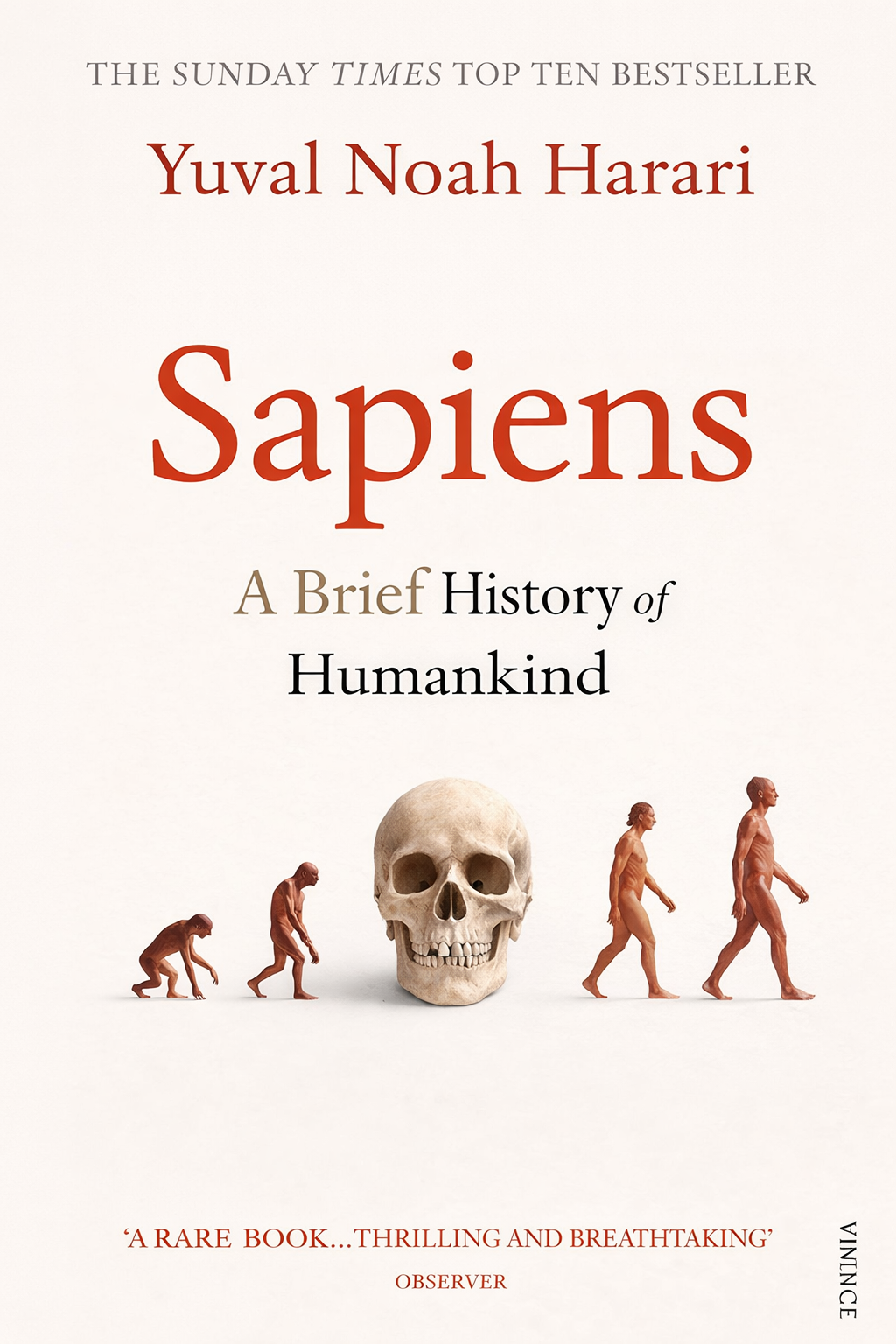
Sapiens: A Brief History of Humankind by Yuval Noah Harari
From Irrelevance to Dominance
The Birth of Shared Myths
Extending the Tree of Knowledge
Everyday Life of the First Humans
The Flood Narrative
History’s Biggest Fraud
Monuments of Power
The Brain’s Burden of Information
Outsourcing Human Memory
Injustice in the Past
The Arrow of History
The Scent of Money
Imperial Visions
Foundations of the Law of Religion
The Institutionalization of Faith
The Secret of Success
The Discovery of Ignorance
Science Meets Empire
The Capitalist Creed
The Wheels of Industry
A Permanent Revolution
Utopian Dreams and Dark Realities
The End of Homo Sapiens

Transcript
SPEAKER_1: Alright, last time we explored how modernity represents a permanent revolution, creating continuous flux that prevents equilibrium. Now the author's tackling utopian dreams and their dark realities. That sounds ominous. SPEAKER_2: It is. The author argues that every major utopian vision in history—from religious paradises to communist workers' states to capitalist free markets—promised liberation but delivered new forms of oppression. The pattern repeats with chilling consistency. SPEAKER_1: But wait, isn't that just cynicism? Surely some utopian movements improved human welfare. SPEAKER_2: The author acknowledges material improvements but distinguishes between technological progress and human happiness. Communist revolutions promised equality but created totalitarian surveillance states. Capitalist democracies promised freedom but generated chronic anxiety and social atomization. SPEAKER_1: Give me a concrete example of how utopian dreams became dark realities. SPEAKER_2: The Agricultural Revolution itself. The author calls it history's biggest fraud because it promised security through food production but delivered harder work, worse health, and rigid hierarchies. The utopian dream of abundance created the dark reality of peasant servitude. SPEAKER_1: So the book's saying every attempt to improve society backfires? SPEAKER_2: Not exactly. The author argues that utopian visions succeed at collective levels while failing individuals. Agriculture supported larger populations even as it made individual lives worse. Industrial capitalism generated unprecedented wealth while creating alienated workers. SPEAKER_1: That sounds like the luxury trap we discussed before. How does that connect to utopian thinking? SPEAKER_2: Precisely. Utopian visions create dependencies that make retreat impossible. Once societies adopt new systems—agricultural, industrial, digital—they can't return to previous arrangements without catastrophic consequences. The dream becomes a trap. SPEAKER_1: But the author must address whether we can learn from these failures. Are we doomed to repeat the pattern? SPEAKER_2: That's the crucial question. The author argues we're now facing the most dangerous utopian dream yet: the promise of technological transcendence through genetic engineering, artificial intelligence, and cyborg enhancement. The stakes have never been higher. SPEAKER_1: Wait, so the book's connecting historical utopian failures to contemporary technological promises? SPEAKER_2: Exactly. The author shows how Silicon Valley's vision of technological salvation mirrors earlier utopian movements. They promise liberation from biological constraints, disease, aging, even death itself. But the pattern suggests these dreams will generate unforeseen dark realities. SPEAKER_1: What makes technological utopianism more dangerous than previous versions? SPEAKER_2: The irreversibility. Agricultural societies could theoretically collapse back to foraging, though with massive suffering. But once we fundamentally alter human biology or create superintelligent AI, there's no going back. The author argues we're making irreversible decisions without understanding the consequences. SPEAKER_1: So for our listener, the takeaway is that utopian dreams consistently produce dark realities because they ignore human nature or unintended consequences? SPEAKER_2: Exactly. The author's argument is that we're more powerful than ever before but have very little idea what to do with all that power. Understanding how previous utopian visions failed is crucial for avoiding catastrophic mistakes as we reshape ourselves and our world through technologies that would have seemed like magic just decades ago.